About This Recipe
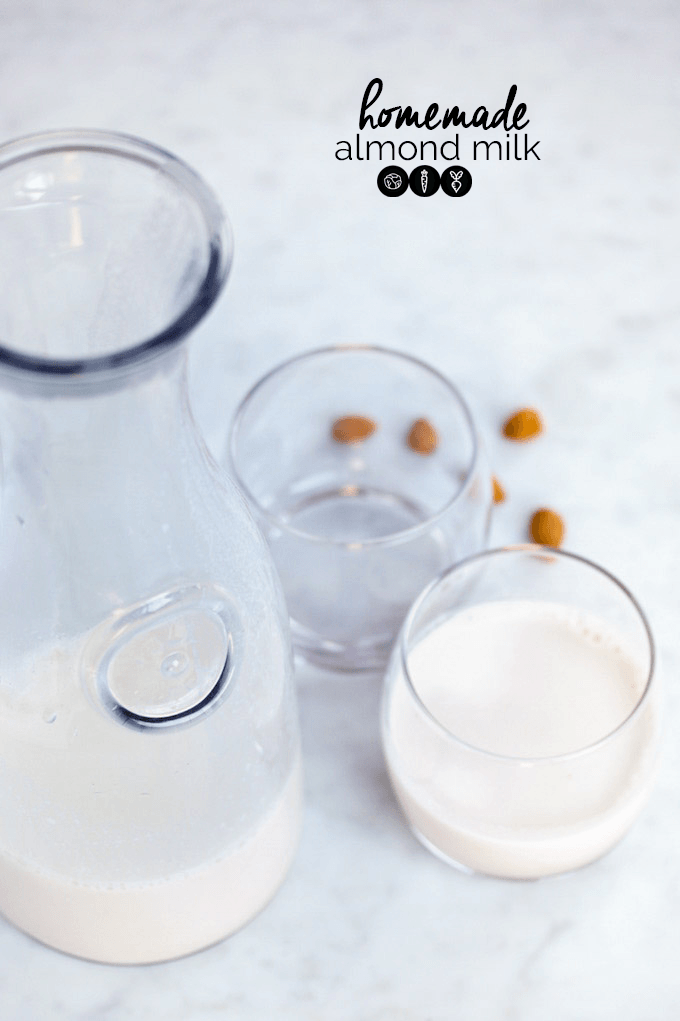
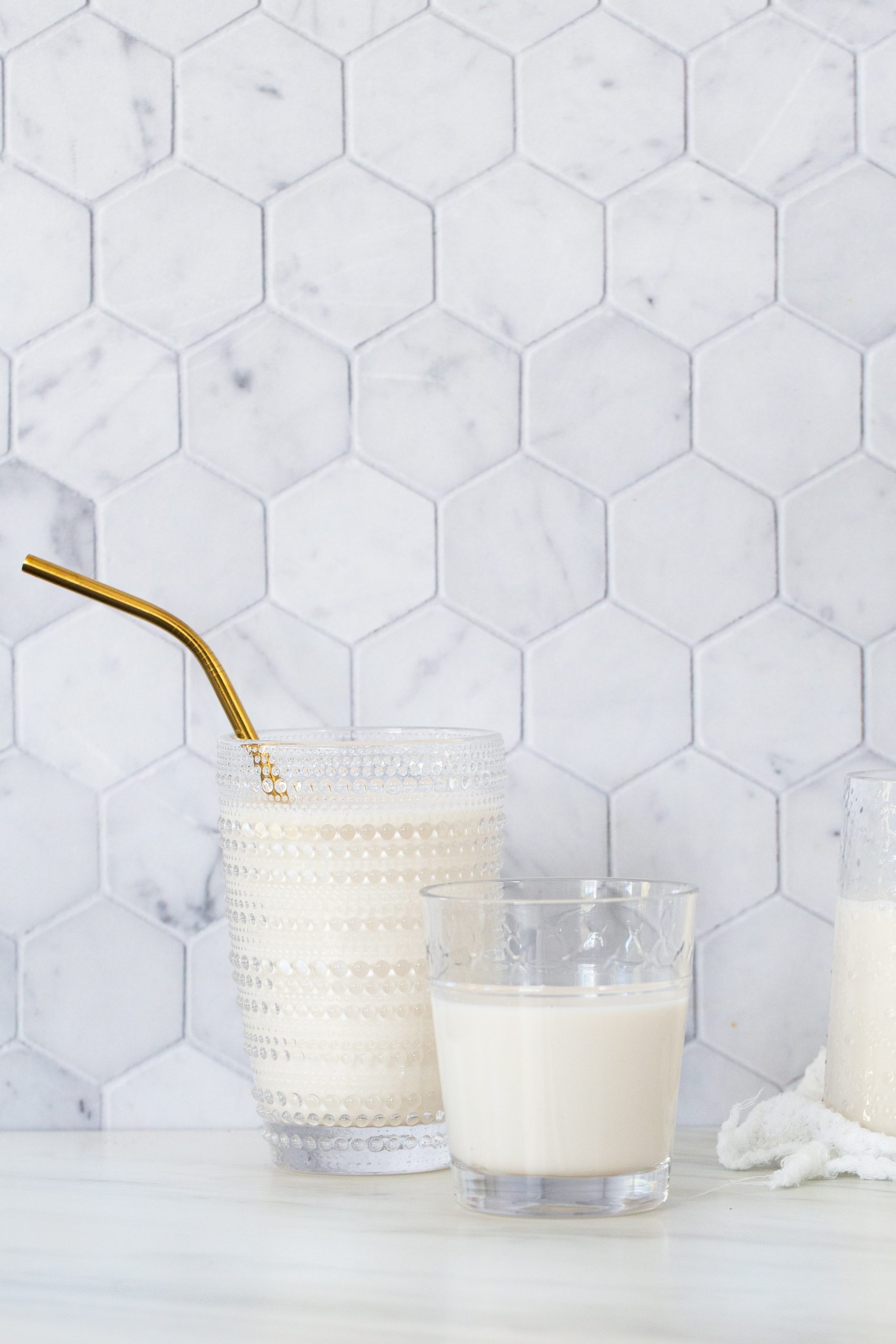
Homemade almond milk is one of the most rewarding things you can make in the kitchen — and it only takes 3 simple steps. The result is a creamy, nutty, naturally dairy-free milk that tastes miles better than anything from the store.
All you need is raw almonds, water, and a blender. No soaking overnight if you’re in a rush — a quick hot-water soak works too. And unlike commercial almond milk, the homemade version has no oils, gums, thickeners, or preservatives. Just almonds and water.
Whether you use it in coffee, smoothies, cereal, baking, or just drink it cold with a splash of vanilla, this homemade almond milk recipe is a staple you’ll come back to again and again.
Why You’ll Love This Homemade Almond Milk
- Just 2 core ingredients. Raw almonds and water — plus optional sweetener and salt.
- Ready in minutes. Once soaked, blending and straining takes less than 10 minutes.
- Creamy and smooth. Richer and more flavorful than any store-bought brand.
- No additives. No gums, oils, thickeners, or preservatives — just real almonds.
- Fully customizable. Adjust sweetness, thickness, and flavor to your taste.
- Naturally dairy-free and vegan. Great for anyone who’s lactose intolerant or plant-based.
Ingredient Notes
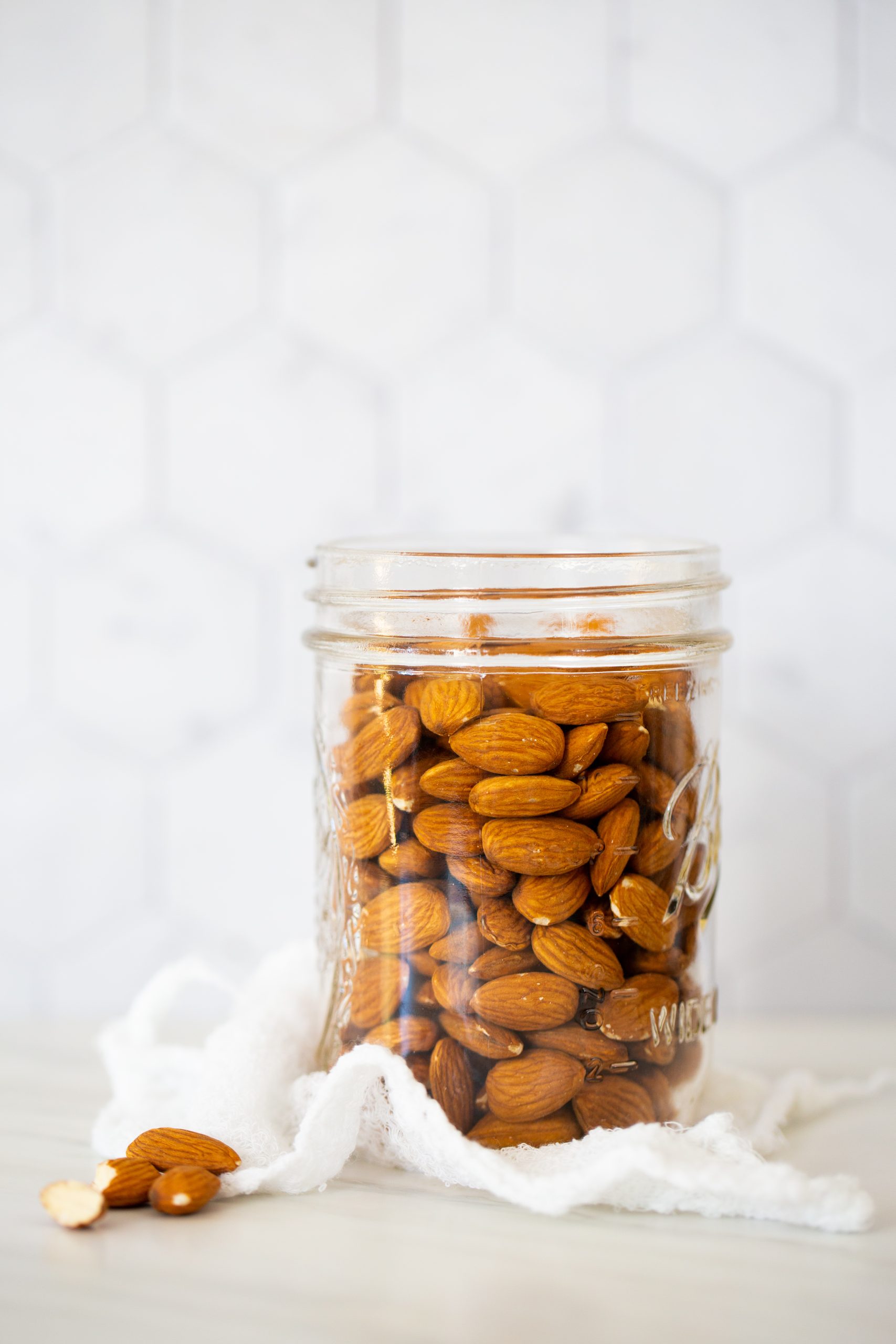
- Raw almonds: Always use raw, unsalted almonds — never roasted or flavored. Raw almonds give the cleanest, creamiest milk. One cup of almonds makes about 3–4 cups of milk.
- Water: Use filtered or purified water for the best flavor. The ratio is flexible — 1 cup almonds to 3 cups water for a rich, creamy milk (similar to whole milk). Use 4 cups for a lighter consistency.
- Optional sweetener: Maple syrup, agave, honey, or 2–3 pitted dates. If using dates, make sure to blend for a full 1–2 minutes so they break down completely.
- Pinch of salt: A tiny pinch of sea salt enhances the flavor and makes everything taste richer.
- Equipment: A high-speed blender + a nut milk bag, clean kitchen towel, old t-shirt, or cheesecloth for straining.
How to Make Almond Milk
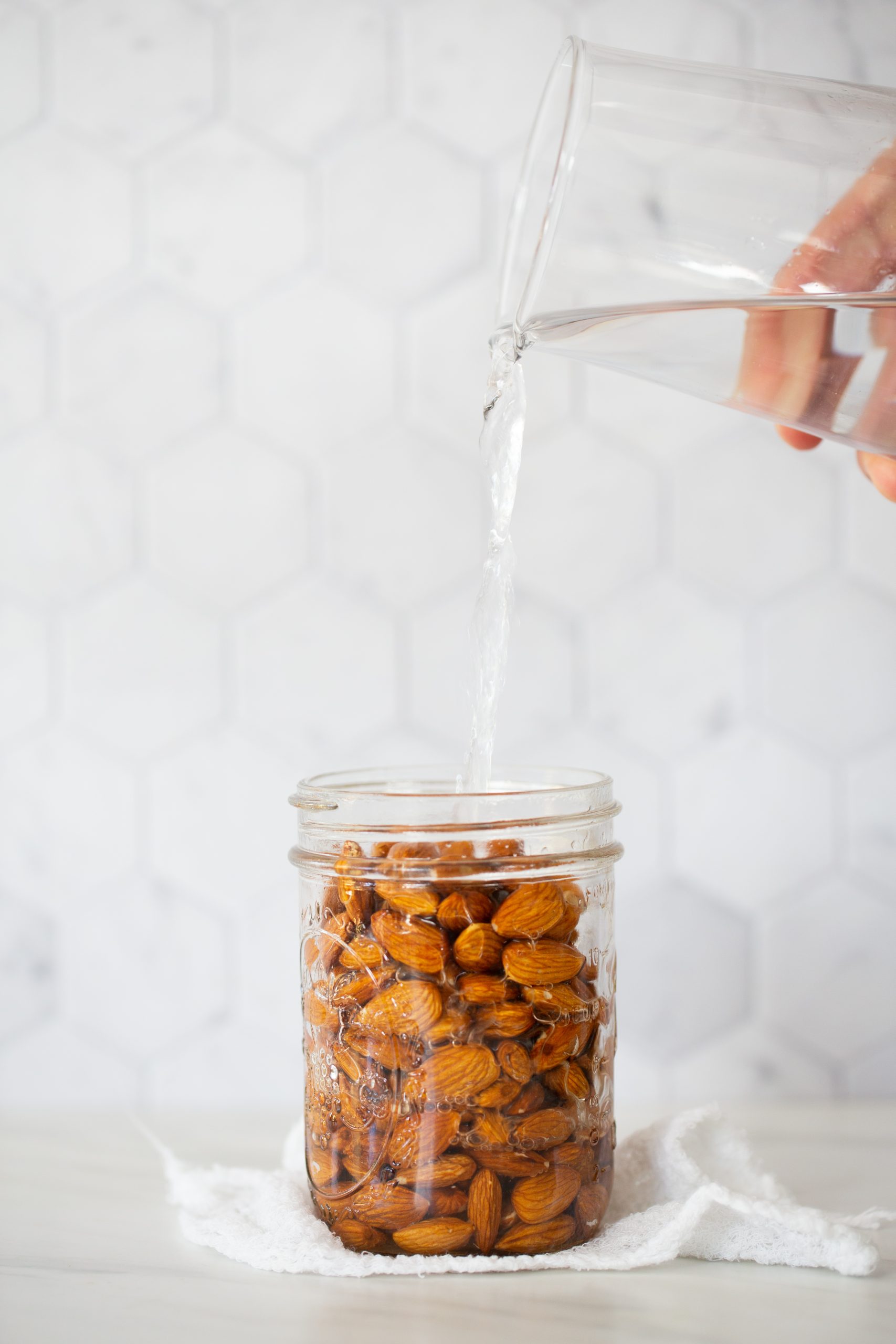
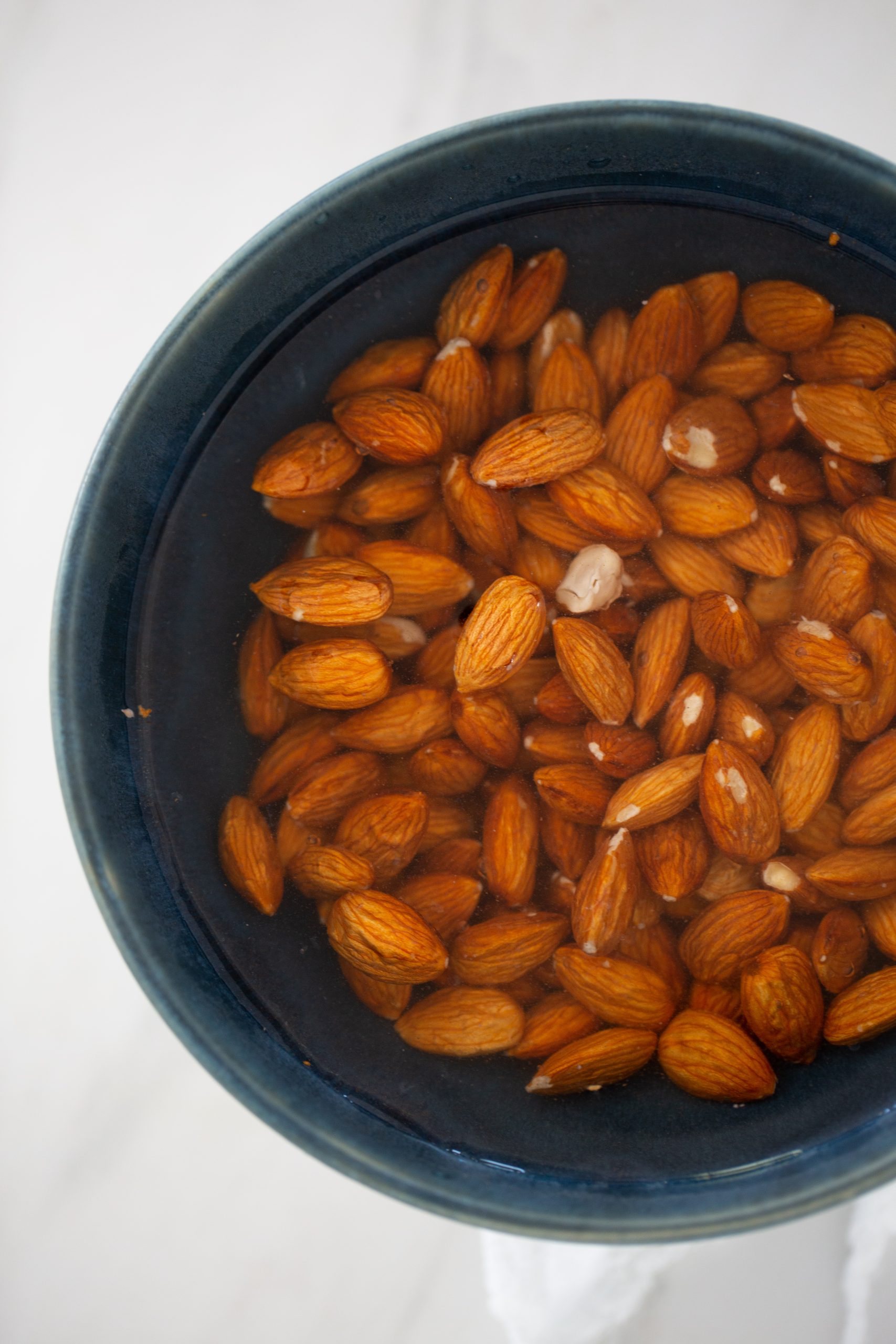
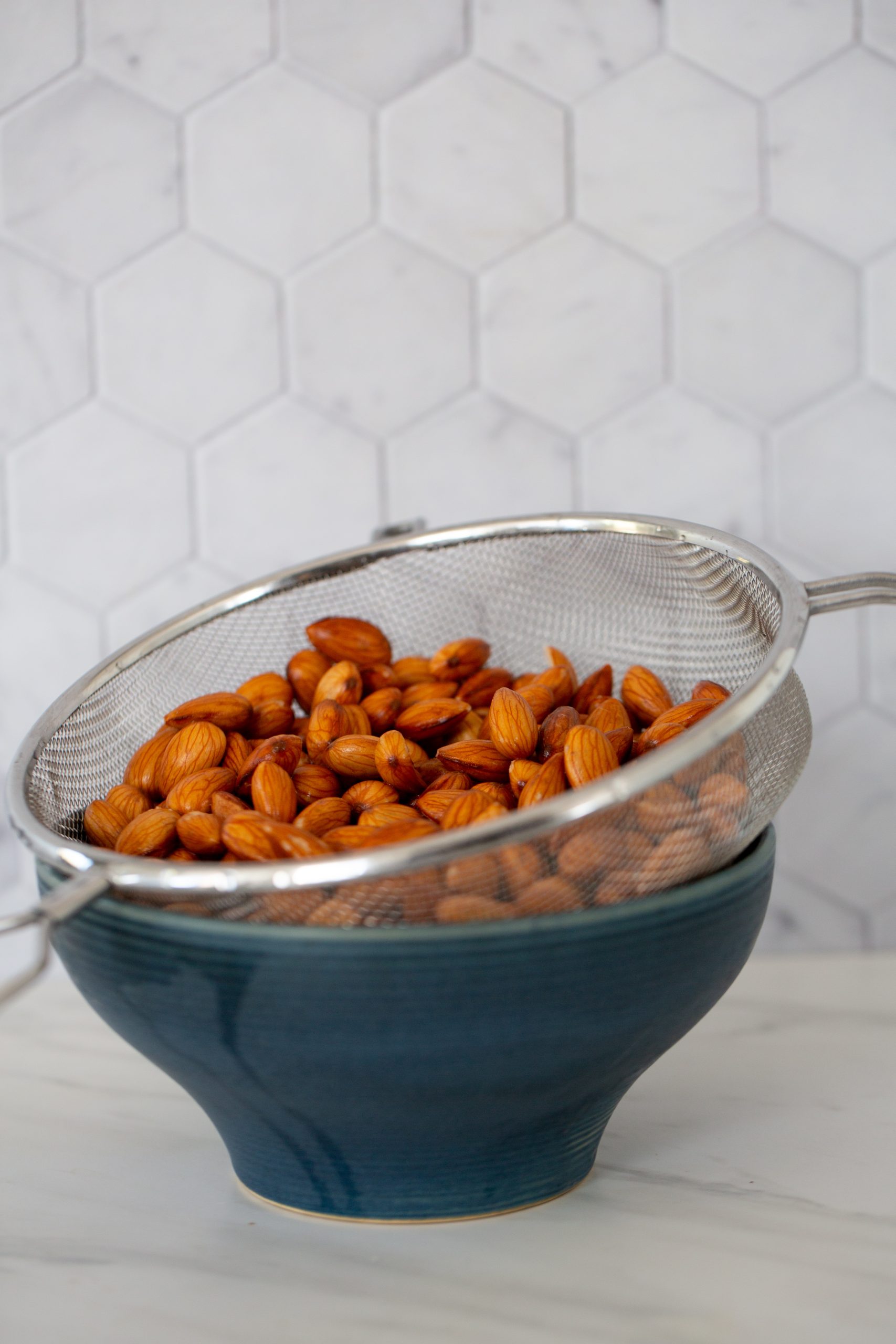
- Soak the almonds. Place 1 cup of raw almonds in a bowl or jar and cover with water. Soak overnight (8–12 hours) in the refrigerator for the creamiest result. Short on time? Soak in very hot water for 1–2 hours instead. The longer you soak, the creamier the milk. Drain and rinse the almonds — always discard the soaking water.
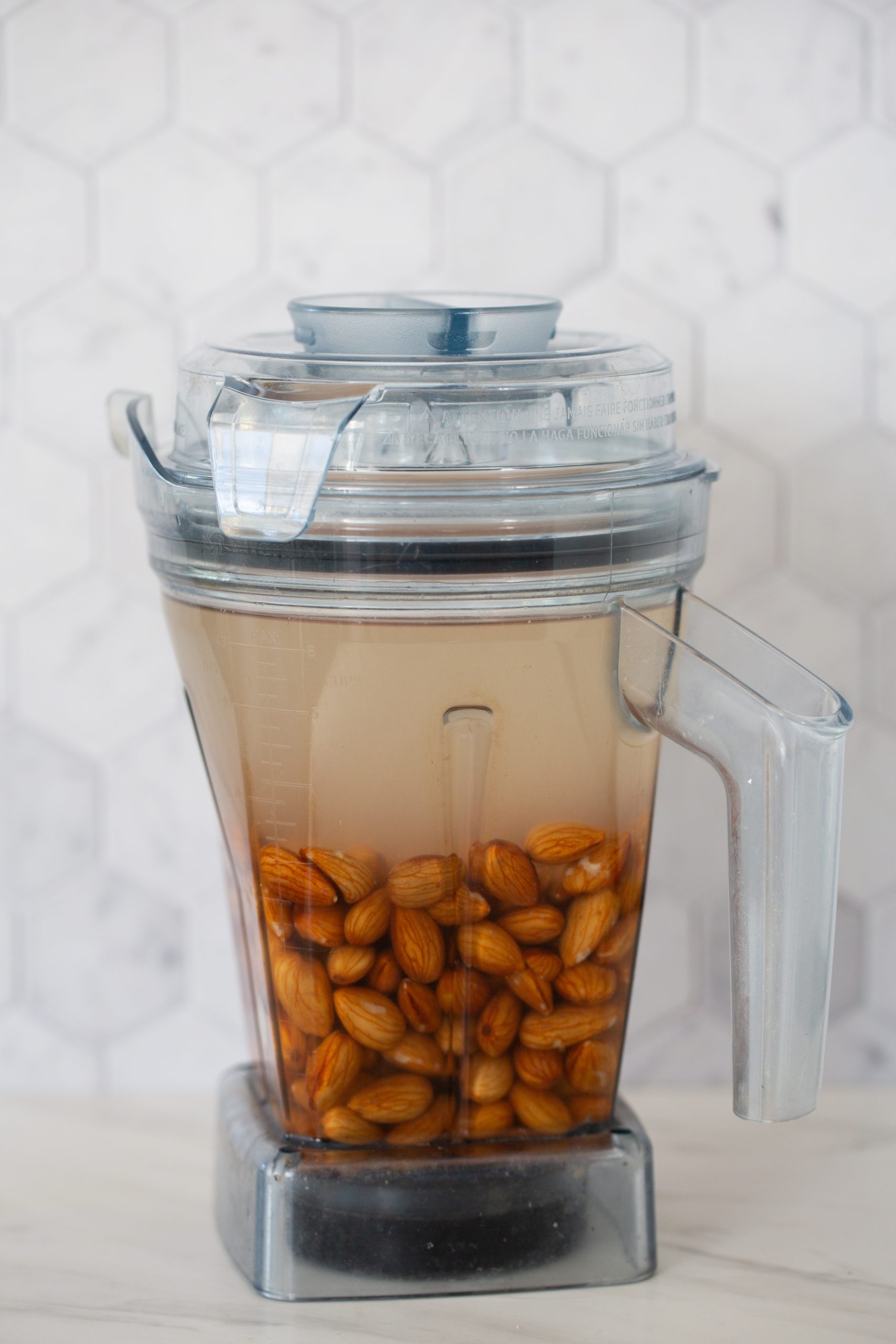
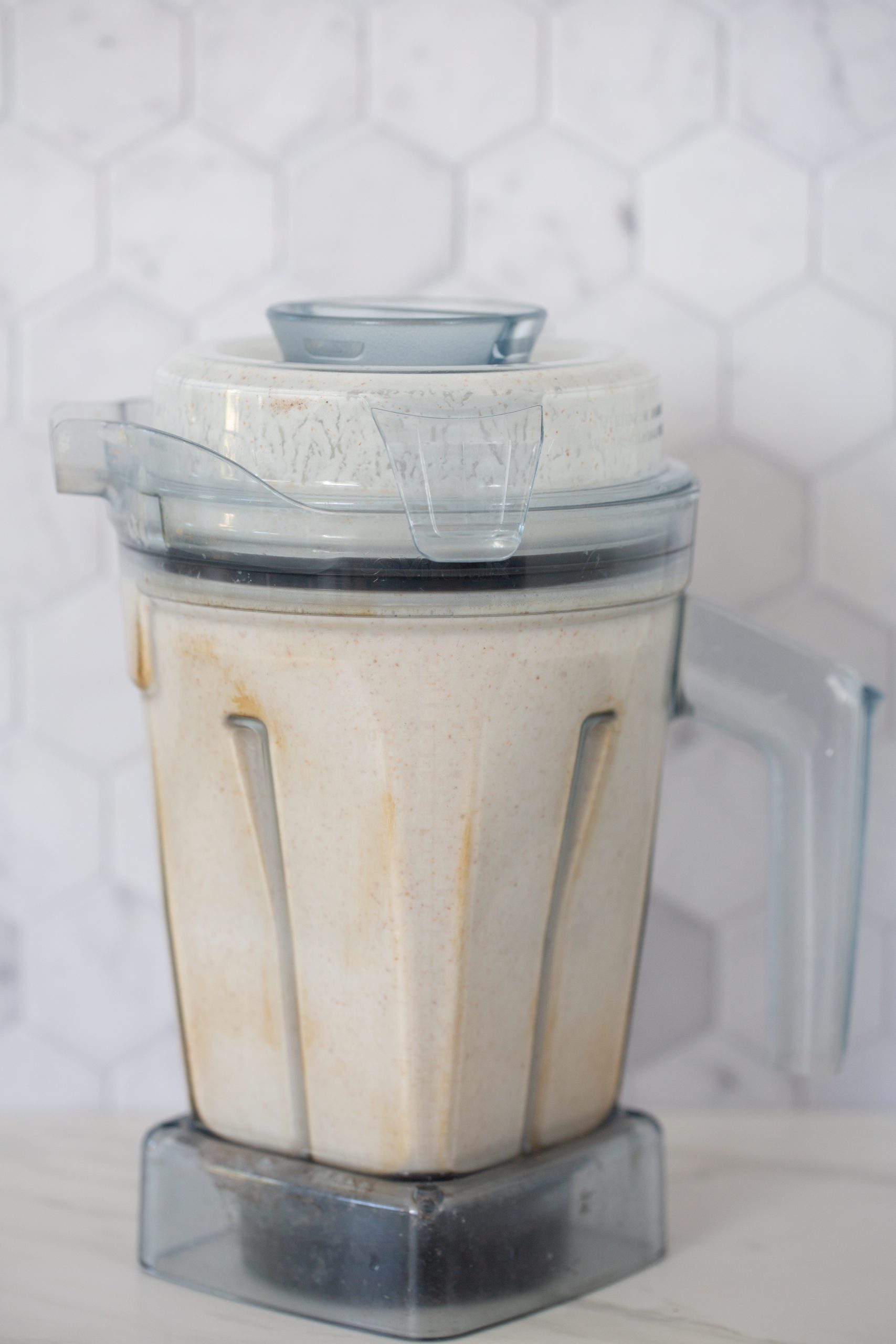
- Blend. Add the soaked almonds to a high-speed blender with 3 cups of fresh, cold water, a pinch of salt, and any sweetener (optional). Blend on high for 1–2 minutes until the mixture is creamy, smooth, and white. If it’s too thick, add a little more water.
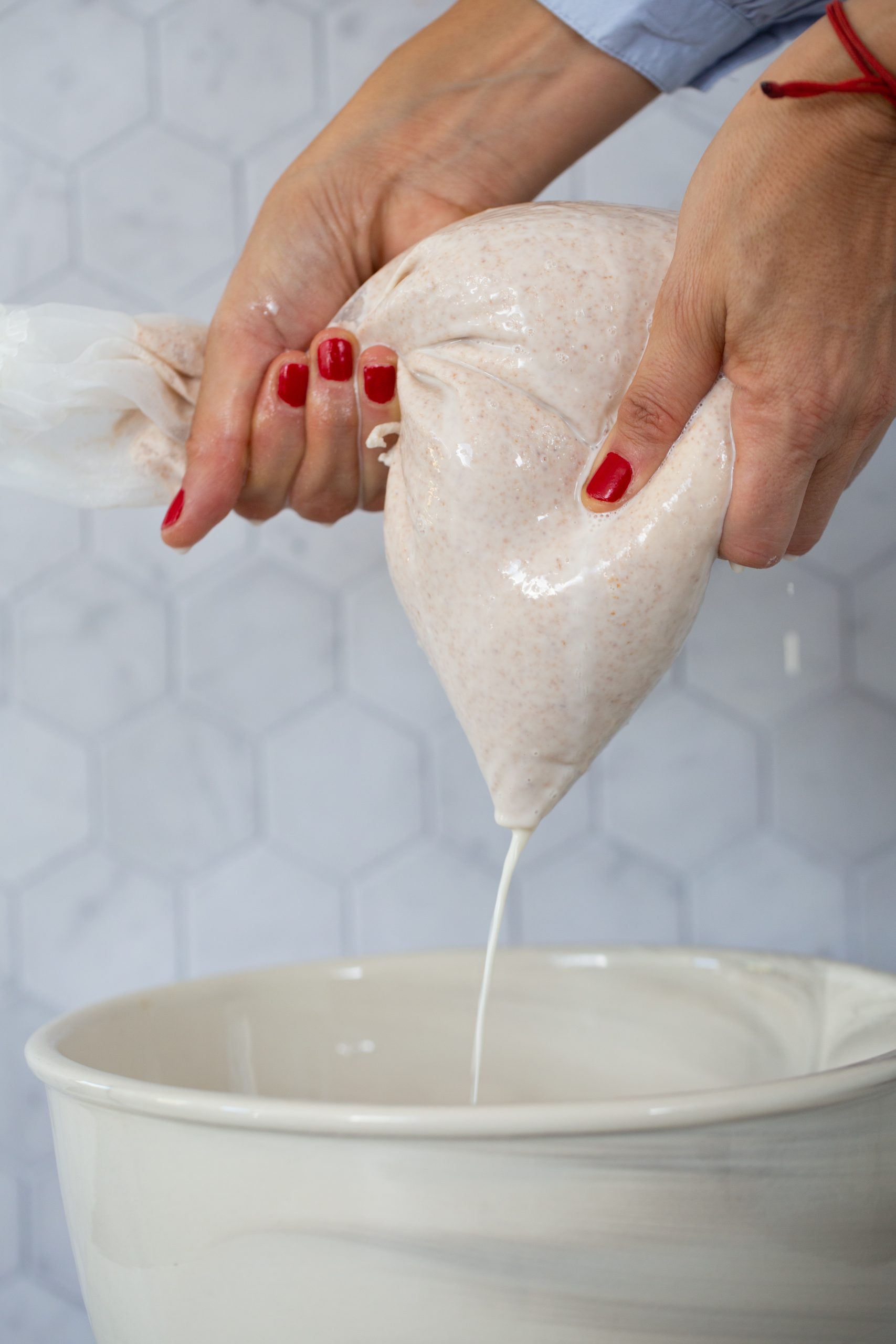
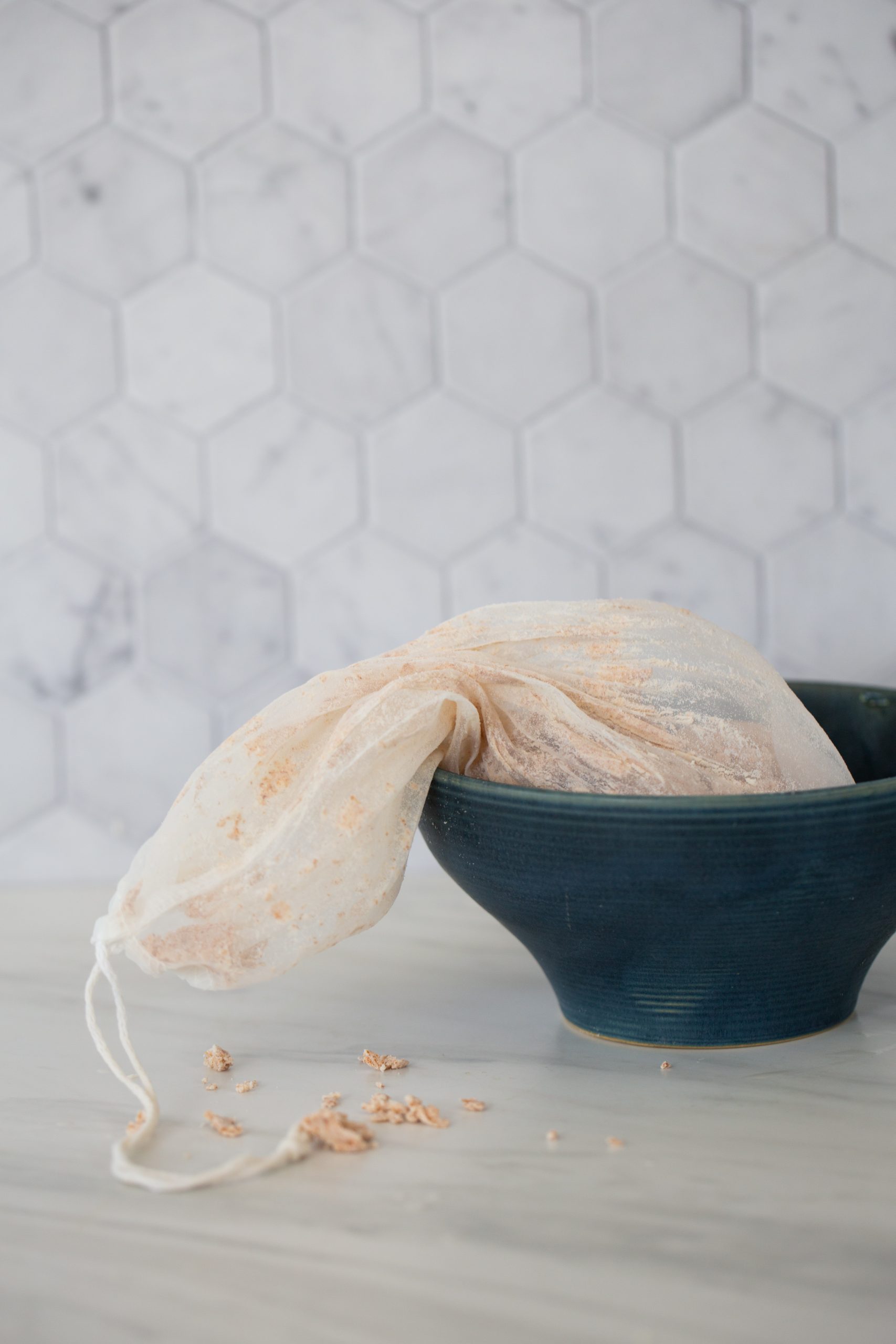
- Strain. Place a nut milk bag (or clean kitchen towel) over a large bowl and pour the blended mixture through it. Squeeze and massage firmly to extract every last drop of milk. You’ll be left with almond pulp in the bag and fresh milk in the bowl.
- Store. Pour the milk into a glass jar or bottle with a lid and refrigerate. Shake well before each use — separation is normal.
How to Use Almond Milk
Use homemade almond milk anywhere you’d use dairy milk or any other plant-based milk:
- Coffee and lattes: It adds a subtle nutty sweetness. Froths decently when warmed gently.
- Smoothies: Blends beautifully with fruit, greens, and protein.
- Cereal and granola: Pour it cold over your morning bowl.
- Baking: Use 1:1 in any recipe that calls for milk — pancakes, muffins, cakes, bread.
- Savory dishes: Works great in soups, sauces, and curries — just skip the sweetener and use only salt.
- Drinking it straight: Chilled with a splash of vanilla and a drizzle of maple syrup. One of my favorite afternoon treats.
Tips for the Best Homemade Almond Milk
- Always use raw almonds. Never roasted, salted, or flavored — those oils and seasonings will end up in your milk.
- Soak in the refrigerator, not at room temperature. This keeps the almonds safe from bacteria during the long soak.
- Longer soak = creamier milk. Overnight (8–12 hours) is ideal. Up to 2 days works if you keep them refrigerated.
- Quick soak shortcut. No time? Soak almonds in very hot water for 1–2 hours — not as creamy, but works well.
- Blend for 1–2 full minutes. Unlike oat milk, you can blend almond milk longer to extract maximum flavor and creaminess.
- Adjust the ratio. 1 cup almonds : 3 cups water = rich, creamy milk. Use 4 cups water for something lighter.
- Squeeze firmly when straining. Unlike oat milk, you want to press hard to get every last drop from the almond pulp.
- Taste and adjust while still in the blender. Add more sweetener, a splash of vanilla, or extra water before straining.
- Use a high-speed blender. A Vitamix or similar gives the smoothest result, but any blender works.
- Sterilize your jars. Run your storage jars through the dishwasher or rinse with boiling water before filling. This extends shelf life significantly.
Variations
- Vanilla almond milk: Add 1 teaspoon of vanilla extract and 2–3 pitted dates before blending.
- Chocolate almond milk: Blend in 2 tablespoons of cocoa powder and your preferred sweetener.
- Golden milk style: Add ½ teaspoon turmeric, a pinch of black pepper, cinnamon, and a teaspoon of golden spice mix.
- Horchata-style: Add cinnamon, vanilla, and a tablespoon of rice flour for a Mexican-inspired version.
- Spiced almond milk: Add cardamom, nutmeg, or a pinch of saffron threads for an exotic twist.
- Berry almond milk: Blend in a handful of fresh strawberries or blueberries for naturally pink or purple milk.
- With fresh ginger: Add a small piece of peeled fresh ginger for a warming, spicy kick.
What to Do with Leftover Almond Pulp
Don’t throw it away! Almond pulp is incredibly versatile:
- Make almond flour: Spread the pulp on a baking sheet and bake at 200°F (100°C) for 2–3 hours until completely dry. Blend into a fine powder. Use it like store-bought almond flour.
- Bake with it: Use the pulp directly in almond flour chocolate chip cookies, muffins, or energy balls.
- Add to granola: Mix it into your granola before baking for extra texture.
- Stir into smoothies or oatmeal: Adds protein and fiber without changing the flavor.
- Use as a face mask: Mixed with honey and a little yogurt, almond pulp makes a soothing skin treatment.
How to Store
- Refrigerator: Store in a sealed glass jar or bottle in the coldest part of the fridge for up to 4–5 days. Shake well before each use — separation is completely normal.
- Freezer: Freeze in ice cube trays or freezer-safe jars for up to 1–2 months. Thaw in the fridge overnight and shake before using.
- How to tell if it’s gone bad: If it smells sour, tastes off, or looks clumpy, it’s time to make a fresh batch.
- Pro tip: Sterilize your jars before filling. Run them through the dishwasher or rinse with boiling water — this can add 1–2 days of shelf life.
Frequently Asked Questions
You Might Also Like
- Homemade Almond Flour
- Almond Flour Chocolate Chip Cookies
- Homemade Vegan Heavy Cream
- Homemade Granola
- Vegan Chocolate Pancakes
- Best Vegan Chocolate Chip Cookies
- Golden Spice Mix
⭐ Did you make this almond milk? I’d love to hear how it turned out — leave a rating and comment below!
Homemade almond milk
Equipment
- Nut milk bag
Ingredients
- 1 cup almonds soaked overnight
- 3 cups water
- 3 dates *if using
- pinch of salt
Instructions
- Drain the almonds, rinse and put them in the blender.
- Add three cups of fersh water, dates, pinch of salt and blend. Start with a low speed and go up gradually. Let the blender run for a while.
- Empty milk to a bowl covered with a piece of cloth or milk bag to strain the milk, squeeze the pulp well, squeezing as much liquid as possible.
- Store the milk in a glass container with a lid in the fridge. Use it like any other milk.
Notes
Nutrition
information
Nutritional information of this recipe is only an estimate, the accuracy for any recipe on this site is not guaranteed.

Hi, I’m Ale Graf!
I’m a Mexican home cook based in Texas and the voice behind AleCooks and Piloncillo & Vainilla.
I create easy, family-friendly recipes with Mexican roots and a plant-forward mindset—always flexible and made to bring people together. I’m also the co-author of Yo Cocino Latino and love helping home cooks feel more confident in the kitchen.
Come say hi on Instagram—I’d love to hear what you’re cooking.