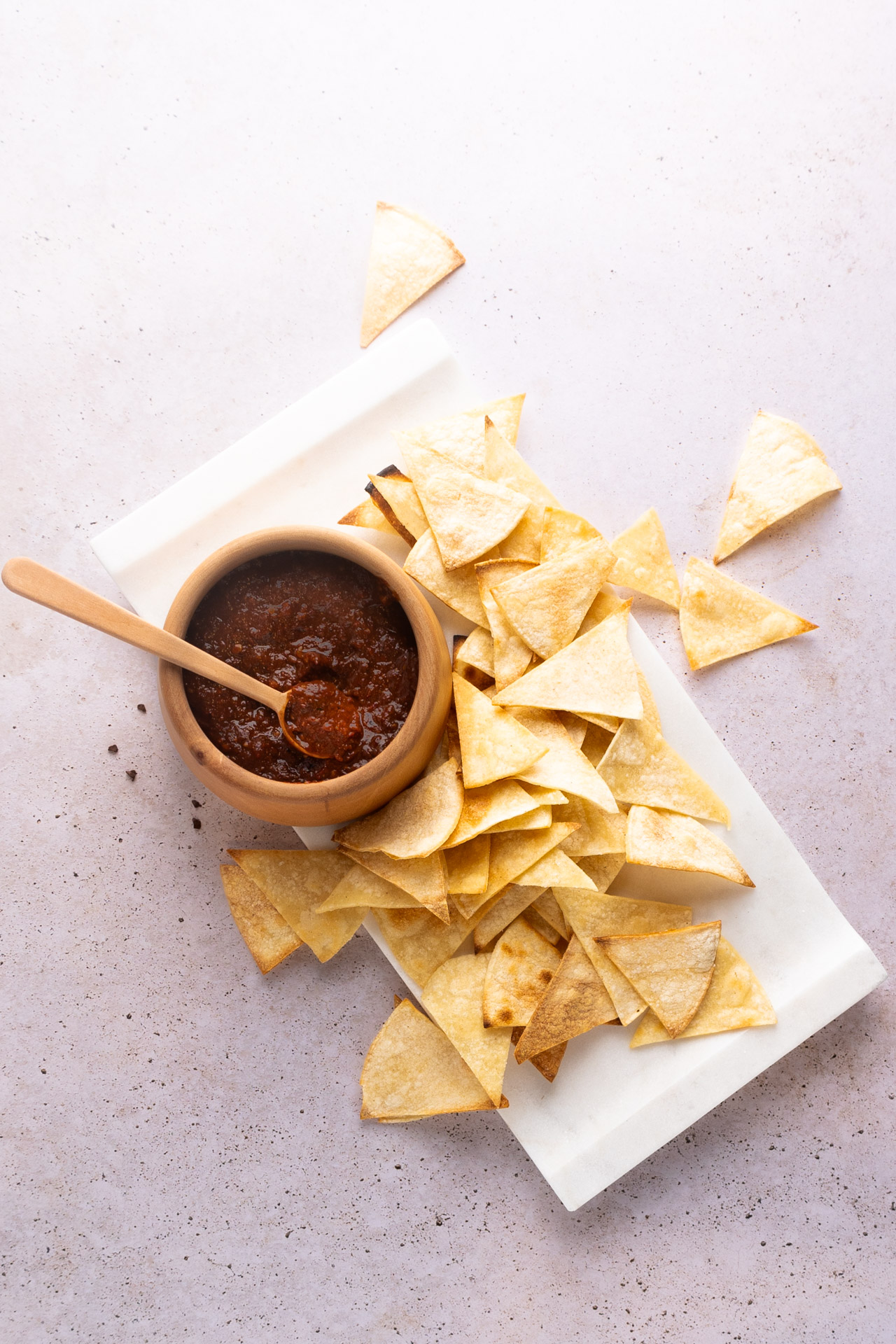
About this recipe
The first time I tried salsa Tlaquepaque, I couldn’t figure out what made it different from every other red salsa I’d had. It had the usual suspects: roasted tomatillos, guajillo chiles, chile de arbol, garlic, and onion. But there was something underneath all of that. A depth, almost like a good mole. Turns out the secret ingredient is instant coffee.
The coffee doesn’t make the salsa taste like coffee. What it does is add a subtle bitterness that balances the heat from the chiles and the acidity from the tomatillos. Think of it like chocolate in mole: you don’t taste it directly, but everything tastes better because of it.
The salsa is named after Tlaquepaque, a beautiful town in Jalisco, Mexico, though it’s actually most popular in Monterrey. Nobody really knows why the name or where it originated, but it’s so good that it doesn’t matter. You roast, blend, and stir in coffee, and you’re done in 20 minutes.
Why you’ll love this recipe
- Ready in 20 minutes. Roast, blend, and stir in coffee. That’s it.
- The secret ingredient. Instant coffee gives this salsa a depth that nobody expects
- Incredibly versatile. Tacos, enchiladas, eggs, chips, and salsa, or as a marinade for grilling
- Freezer-friendly. Make a big batch and have salsa for weeks
- Adjustable heat. More or fewer chiles de arbol, depending on your spice tolerance
Ingredients
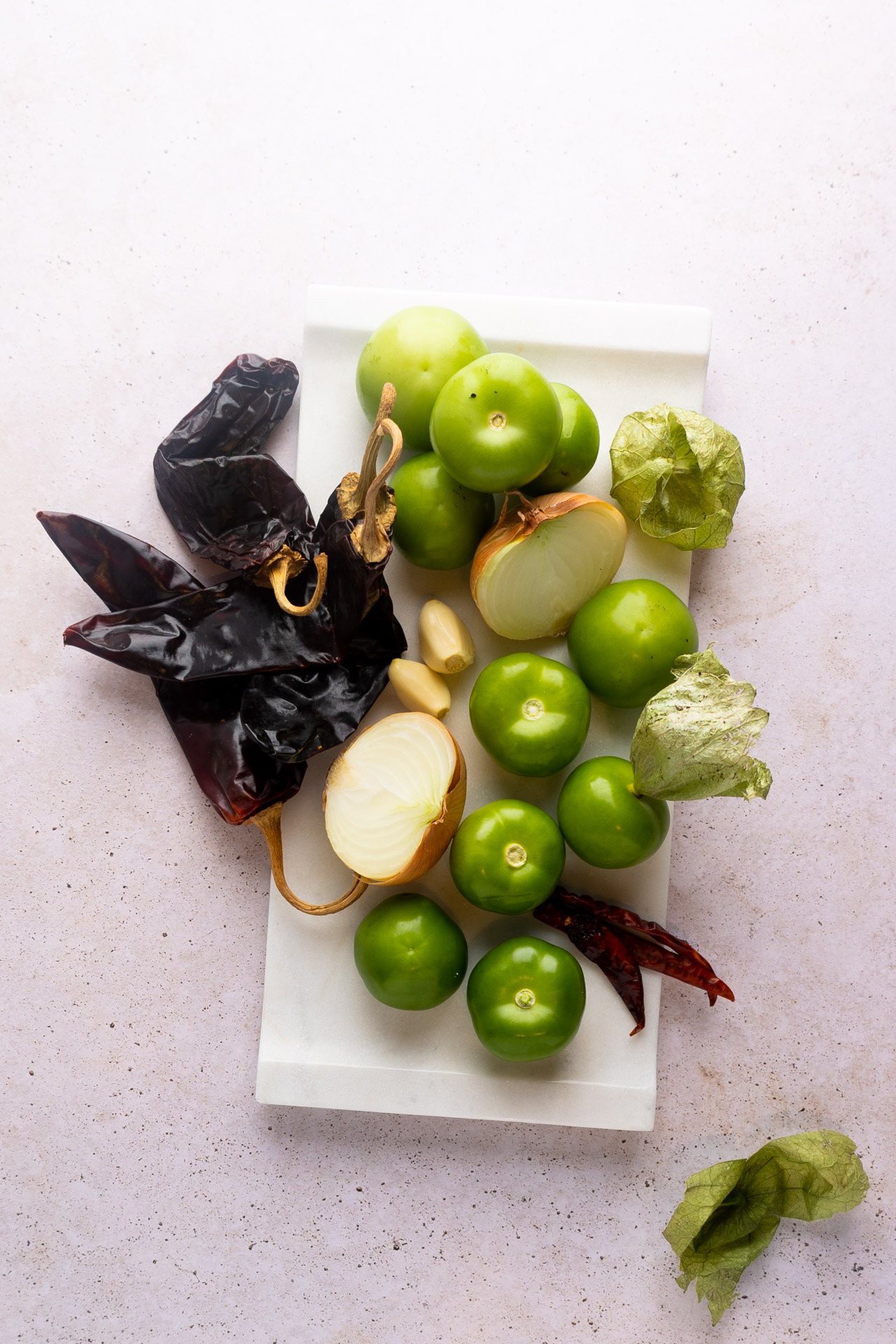
- Tomatillos. Remove the papery husk and wash them well. They’ll feel sticky; that’s normal. Roasting brings out their tartness and softens them.
- Onion. Cut into quarters, so it has more surface area to char. More charred surface = more flavor in the salsa.
- Garlic. Peeled, whole cloves. Roasted alongside the vegetables.
- Guajillo chiles. These give the salsa its reddish color and a mild, slightly fruity flavor. Remove the stem and seeds for less heat and a smoother texture. Check my complete guajillo chile guide for more details.
- Chile de árbol. This is the one that brings the heat. Use more or fewer depending on your spice tolerance. 3 to 4 gives a nice kick without being overwhelming.
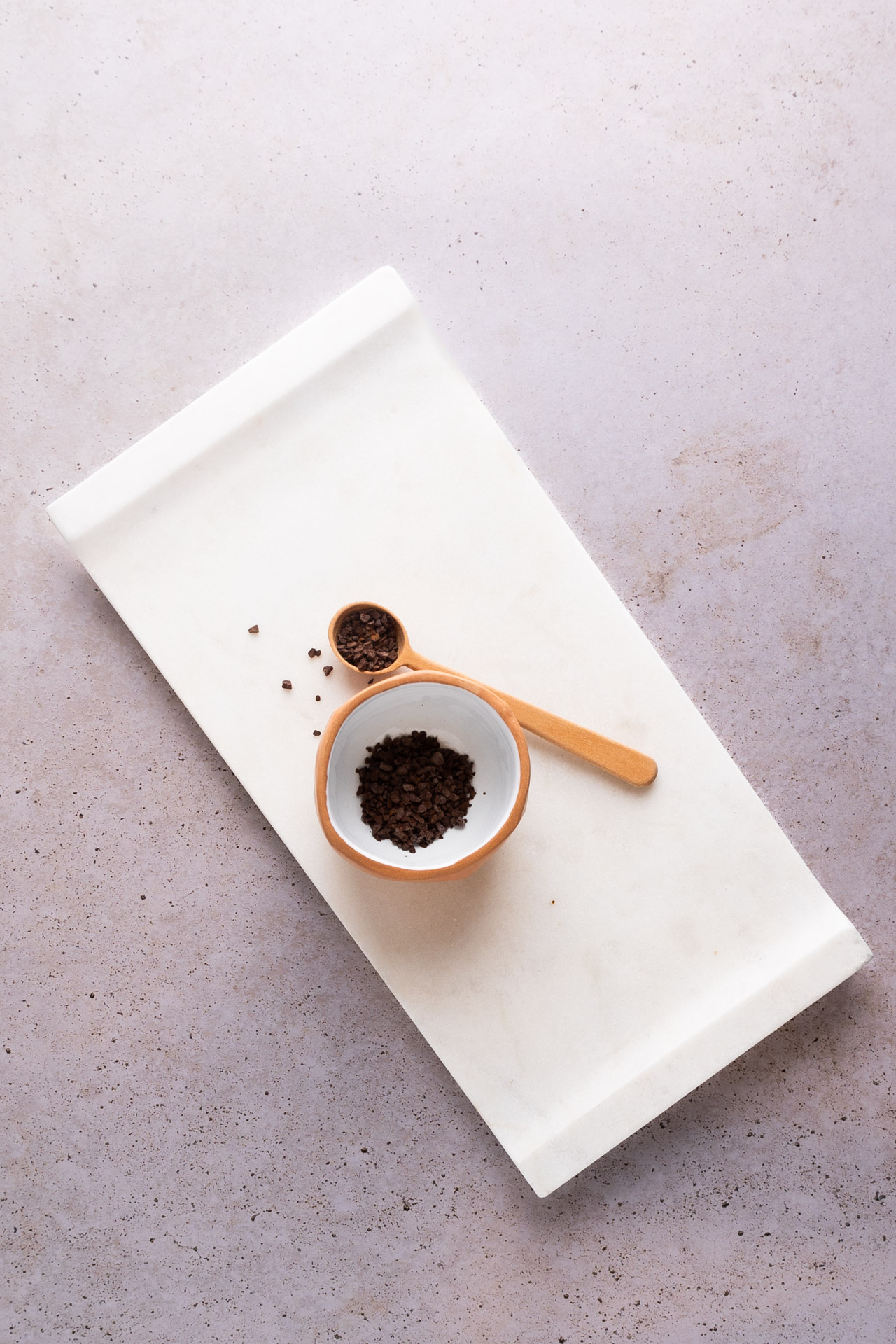
- Instant coffee. The secret ingredient. You won’t taste coffee in the salsa. What it does is add depth and a subtle bitterness that balances the heat and acidity. Start with ½ teaspoon and add more to taste. Too much can make the salsa bitter. Any brand works.
- Salt. Adjust to taste. This salsa needs good seasoning for all the flavors to come alive. If it tastes flat, it probably needs more salt, not more ingredients.
How to roast the vegetables
Two methods, both work great:
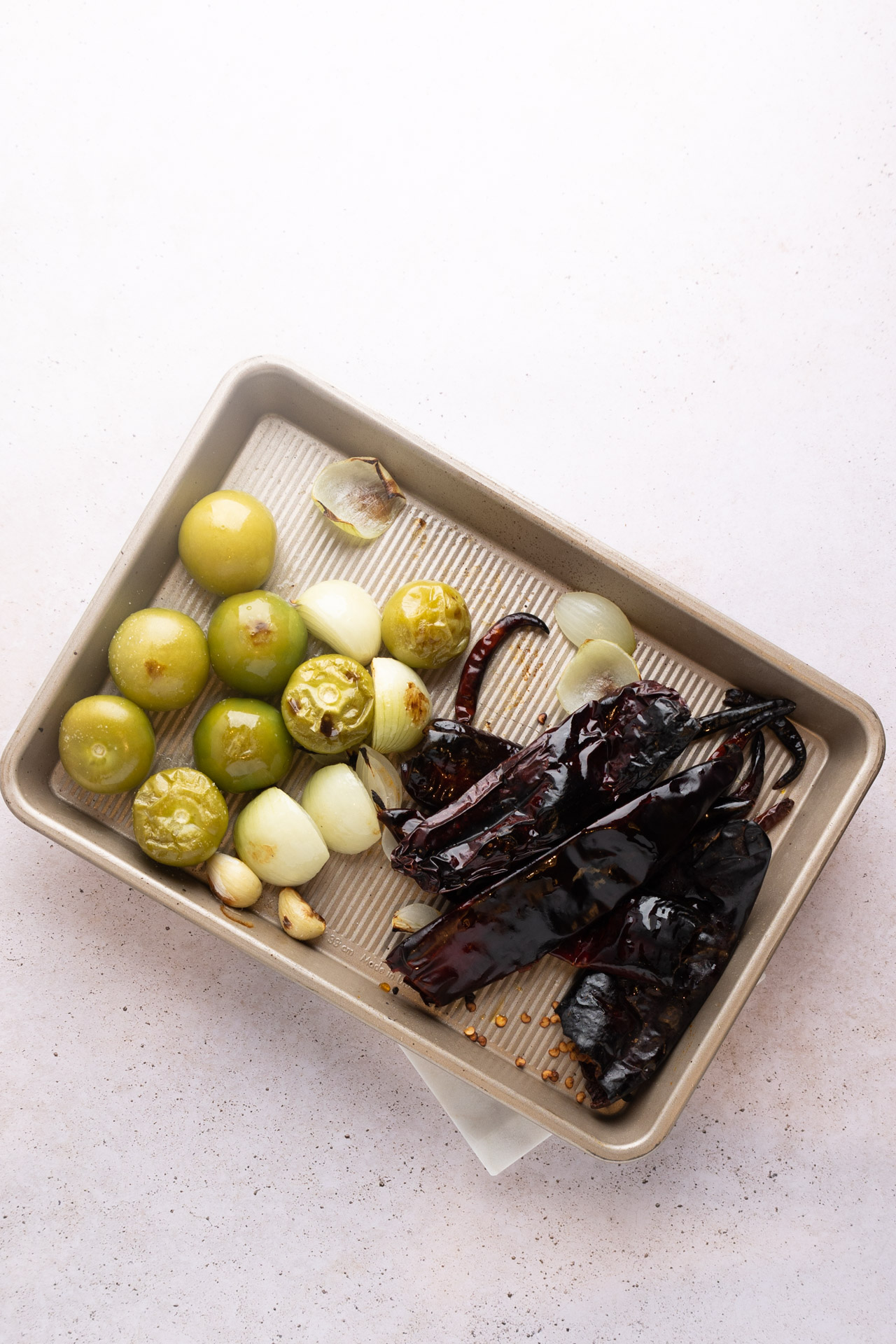
- Oven or air fryer. Place the tomatillos, onion, and garlic on a baking sheet (or in an air fryer basket), drizzled with oil and salt. Roast at 400°F for 6 minutes. Open, move the vegetables, and add the chiles. Roast for 1 more minute.
- Stovetop. Roast the vegetables over medium-high heat in a skillet or comal. Turn frequently until charred on all sides, about 2 minutes per side. Add the chiles at the end and toast for about 30 seconds per side.
How to make salsa Tlaquepaque
- Roast the vegetables and chiles. Use whichever method you prefer (oven, air fryer, or stovetop). The tomatillos should be soft and charred in spots. The chiles only need a few seconds.
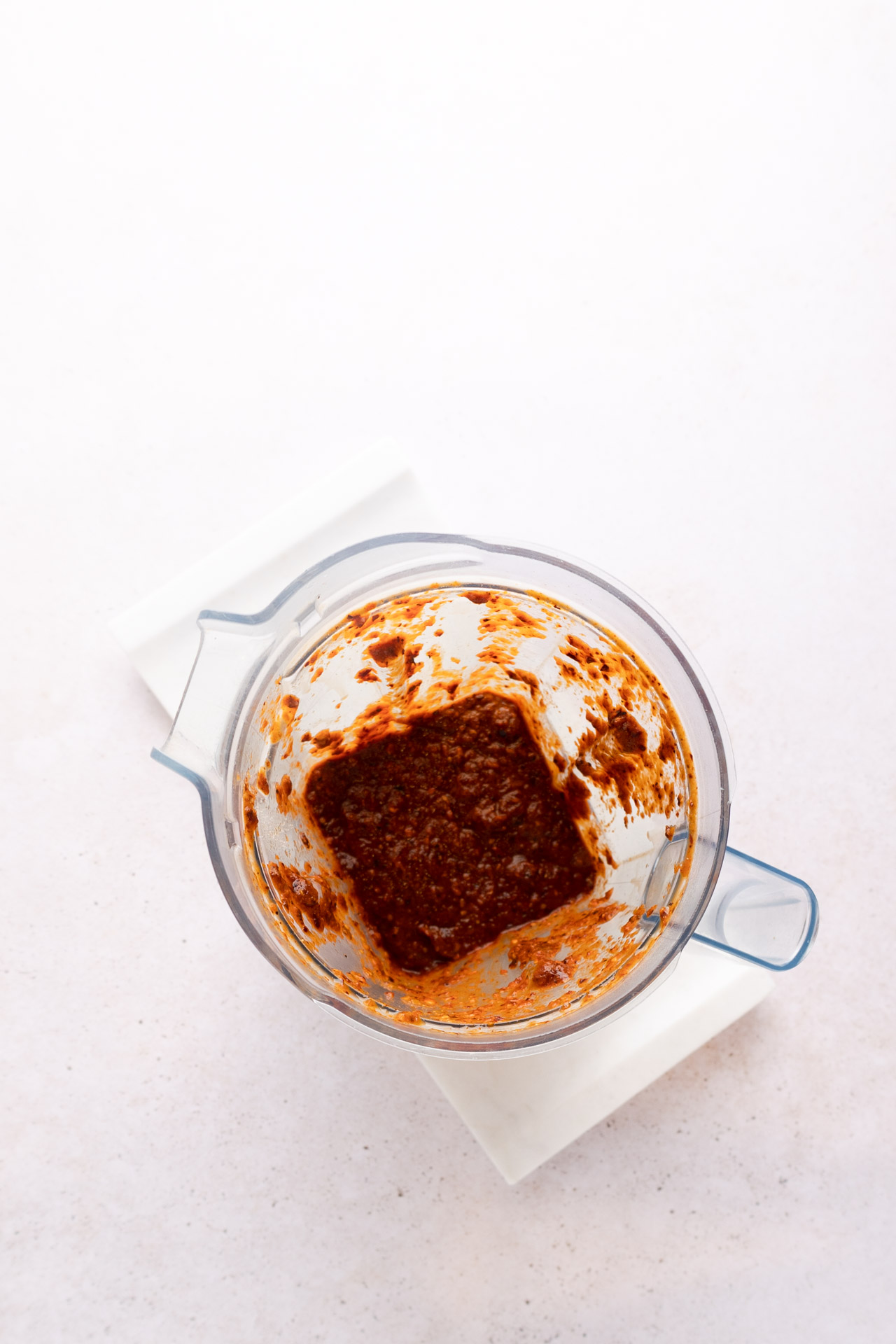
- Blend everything. Transfer the roasted vegetables, chiles, and a good pinch of salt to a blender. Add a splash of vegetable broth or water if the blender needs help moving. Blend until smooth.
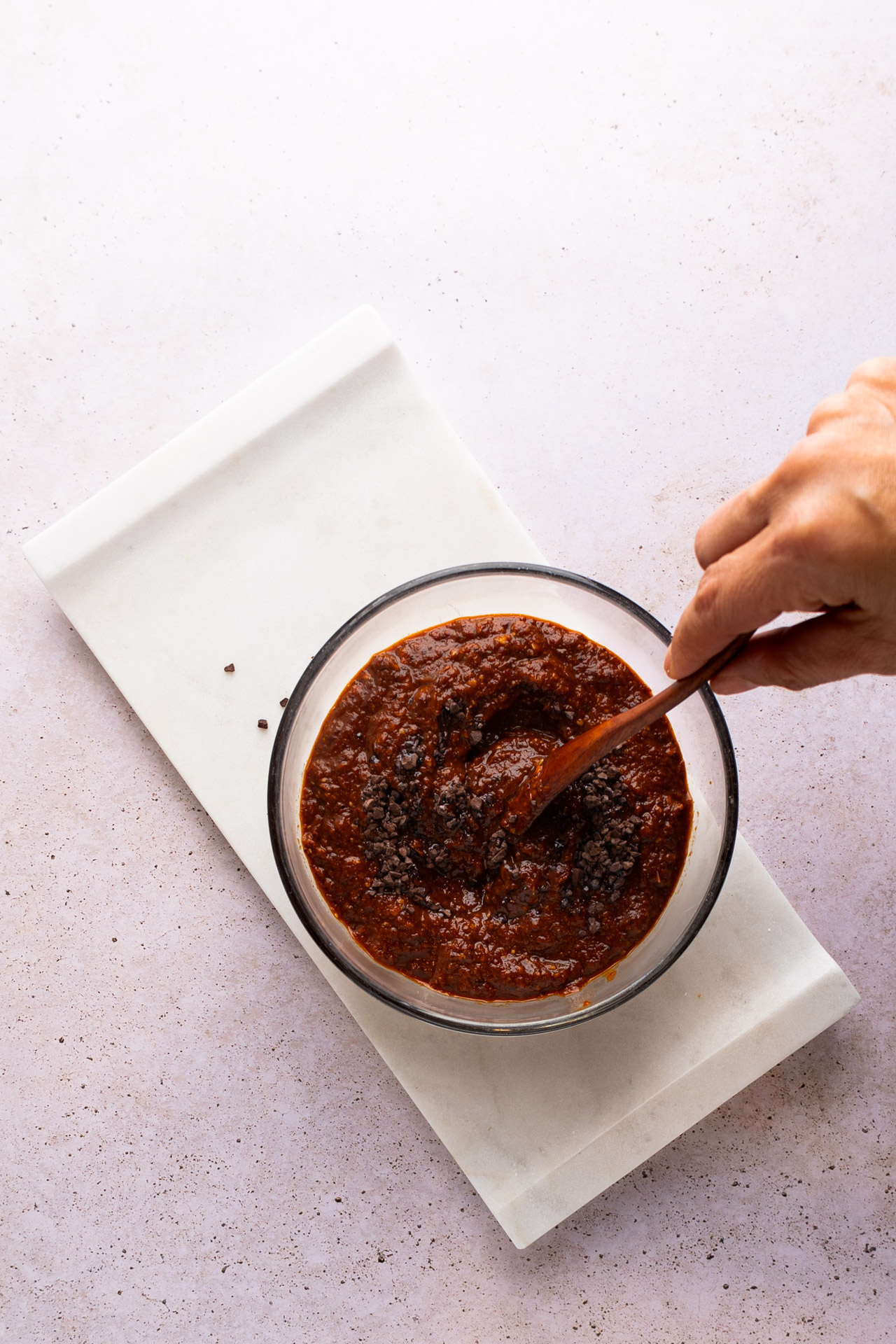
- Stir in the coffee. Pour the salsa into a bowl and add the instant coffee. Mix well.
- Let it rest. Wait 5 minutes for the coffee to fully integrate. Taste and adjust salt if needed.
Tips for the best salsa Tlaquepaque
- Don’t over-toast the chiles. Dried chiles burn in seconds. If they turn black, the salsa will taste bitter. Add them at the very end of roasting, just a few seconds per side.
- Adjust heat with the chiles de arbol. 3 to 4 gives a nice kick. 6 or more is for the brave. If you don’t like heat, use just 1 or 2 and leave the seeds in the guajillos to compensate on flavor.
- The coffee dissolves on its own. No need to dissolve it in water first. Add it straight to the warm salsa and stir. It integrates perfectly. Start with ½ teaspoon and go up from there.
- Don’t skip the rest. Those 5 minutes after stirring in the coffee make a real difference. The flavor rounds out and integrates much better.
- Salt is key. This salsa needs good seasoning for all the flavors to pop. If it tastes flat, it probably needs more salt, not more ingredients.
- For deeper flavor, cook it in a skillet. After blending, pour the salsa into a skillet, drizzle with oil, and simmer over medium heat for 7 to 10 minutes. This concentrates the flavors and gives them more body. It’s how they make it in Monterrey.
How to use salsa Tlaquepaque
- Tacos chorreados. The most classic way. Fill corn tortillas (double them up if they’re thin, Monterrey-style) with barbacoa or shredded beef, fold, and drench with warm salsa. Also great on carne asada, carnitas, or potato tacos.
- Enchiladas. Use it as the base sauce for red enchiladas with way more depth than a standard enchilada sauce
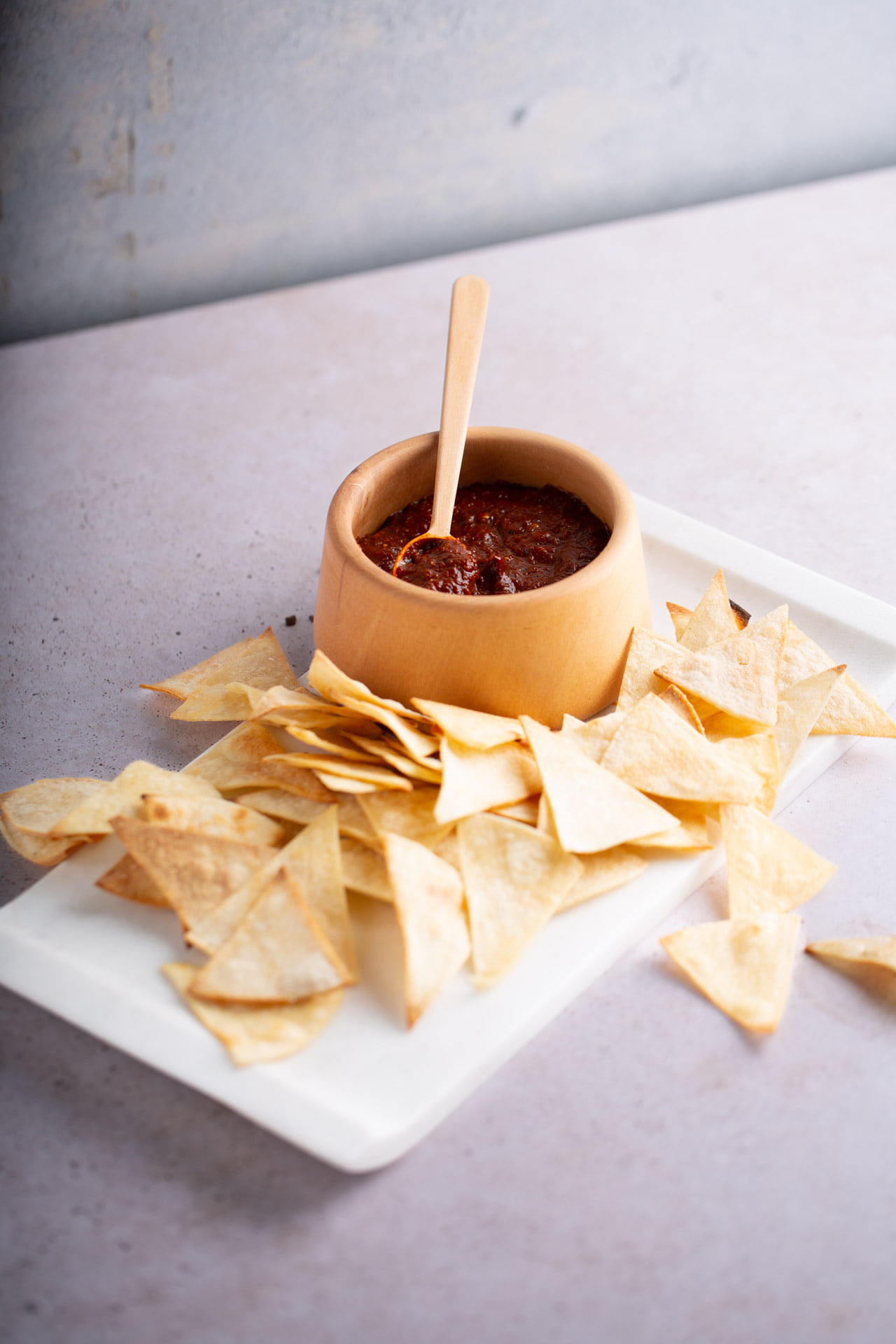
- Chips and salsa. Straight up as a dip with tortilla chips or homemade tortilla chips
- Over eggs. Fried eggs with this salsa on top is a whole different level of breakfast
- Over crema de frijol. A drizzle on top adds a spicy, smoky kick that’s incredible
- As a marinade. Mix with a little oil and use as a marinade for vegetables or protein before grilling
Variations
- Add chile ancho. Throw in 1 or 2 ancho chiles with the guajillos for a sweeter, earthier, more full-bodied salsa. Common in Northern Mexico versions.
- Add chile piquín or chiltepin. A handful of these tiny chiles, toasted along with the others, gives a more explosive, direct heat. Optional but very common in norteño versions.
- Use chile pasilla. Swap one or two guajillos for pasilla chiles. Darker color, deeper, earthier flavor.
- Use chile japonés. If you can’t find chile de arbol, Japanese chiles work as a substitute. Slightly less heat but good flavor.
- Milder version. Use only guajillo chiles (no arbol) and remove all seeds. You get the chile flavor without real heat.
How to store
- Refrigerator. Store in a glass jar or an airtight container for up to 10 days. The flavor actually improves after a day in the fridge.
- Freezer. Freezes perfectly for up to 3 months. Freeze in small portions (ice cube trays or small jars) so you can thaw only what you need.
- To serve. Serve at room temperature or slightly warm. It doesn’t need to be reheated, but if you want it warm, a minute in the microwave or a small skillet works. Adjust salt after thawing.
Frequently asked questions
More recipes with dried chiles
- Guajillo chile: complete guide
- Chile colorado
- Mushroom pasta with guajillo sauce
- Crema de frijol
- Chipotles in adobo
- Chile de arbol guide
- Chile pasilla guide
If you make this salsa Tlaquepaque, leave me a comment and tell me what you thought. I want to know if the coffee surprised you as much as it surprised me.
Salsa Tlaquepaque (Coffee Guajillo Salsa)
Equipment
- Airfryer or frying pan
- belender
Ingredients
- 6 tomatillos husked and washed
- 1 medium onion quartered
- 2 garlic cloves peeled
- 6 dried guajillo chiles stems and seeds removed
- 3 dried chiles de arbol stems removed
- 1 teaspoon salt adjust to taste
- 1 teaspoon instant coffee start with ½ and add more to taste
- Olive oil or vegetable oil for roasting
- Water or vegetable broth if needed for blending
Instructions
Roast the vegetables
- Roasting the vegetables in the air fryer. Place on a baking sheet or air fryer basket the tomatillos, onion, and garlic seasoned with oil and salt for 6 minutes at 400ºF. Open, move the vegetables and place the chiles. Roast for 1 more minute.
- Roasting vegetables over the stove. Roast the vegetables and chiles over medium-high heat on a skillet or comal. Turn frequently until the vegetables are roasted on all sides. Roast for two minutes on each side.
Make the salsa
- Blend. Blend all the ingredients with a good pinch of salt. You can add vegetable broth or water to help the blender run smoothly.
- Mix the coffee in. Pour the chile de Arbol-guajillo salsa into a small bowl and mix the instant coffee. Let it sit for five minutes, check for seasoning, adjust if necessary and enjoy.
Notes
Nutrition
information
Nutritional information of this recipe is only an estimate, the accuracy for any recipe on this site is not guaranteed.

Hi, I’m Ale Graf!
I’m a Mexican home cook based in Texas and the voice behind AleCooks and Piloncillo & Vainilla.
I create easy, family-friendly recipes with Mexican roots and a plant-forward mindset—always flexible and made to bring people together. I’m also the co-author of Yo Cocino Latino and love helping home cooks feel more confident in the kitchen.
Come say hi on Instagram—I’d love to hear what you’re cooking.