About this recipe
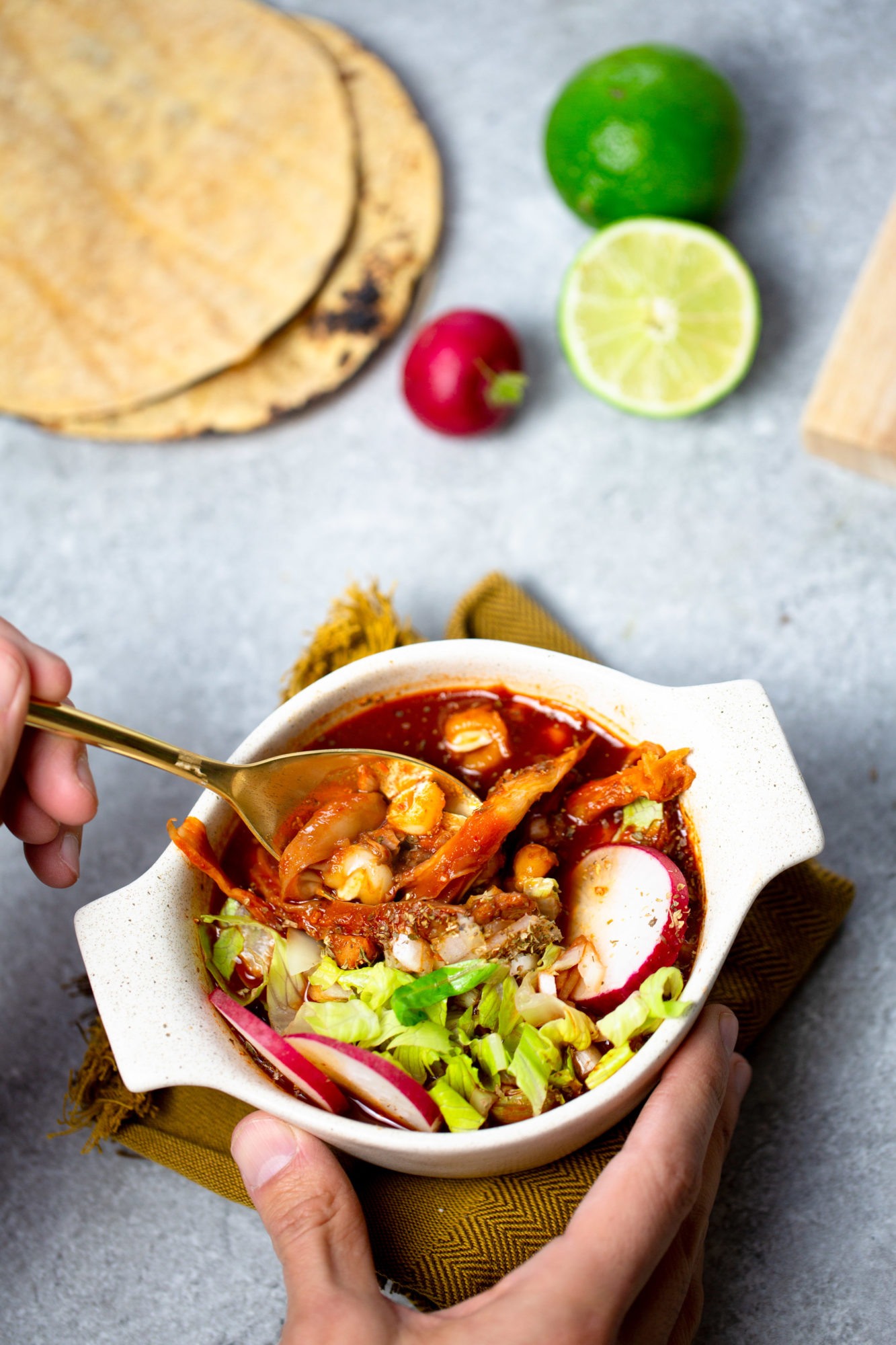
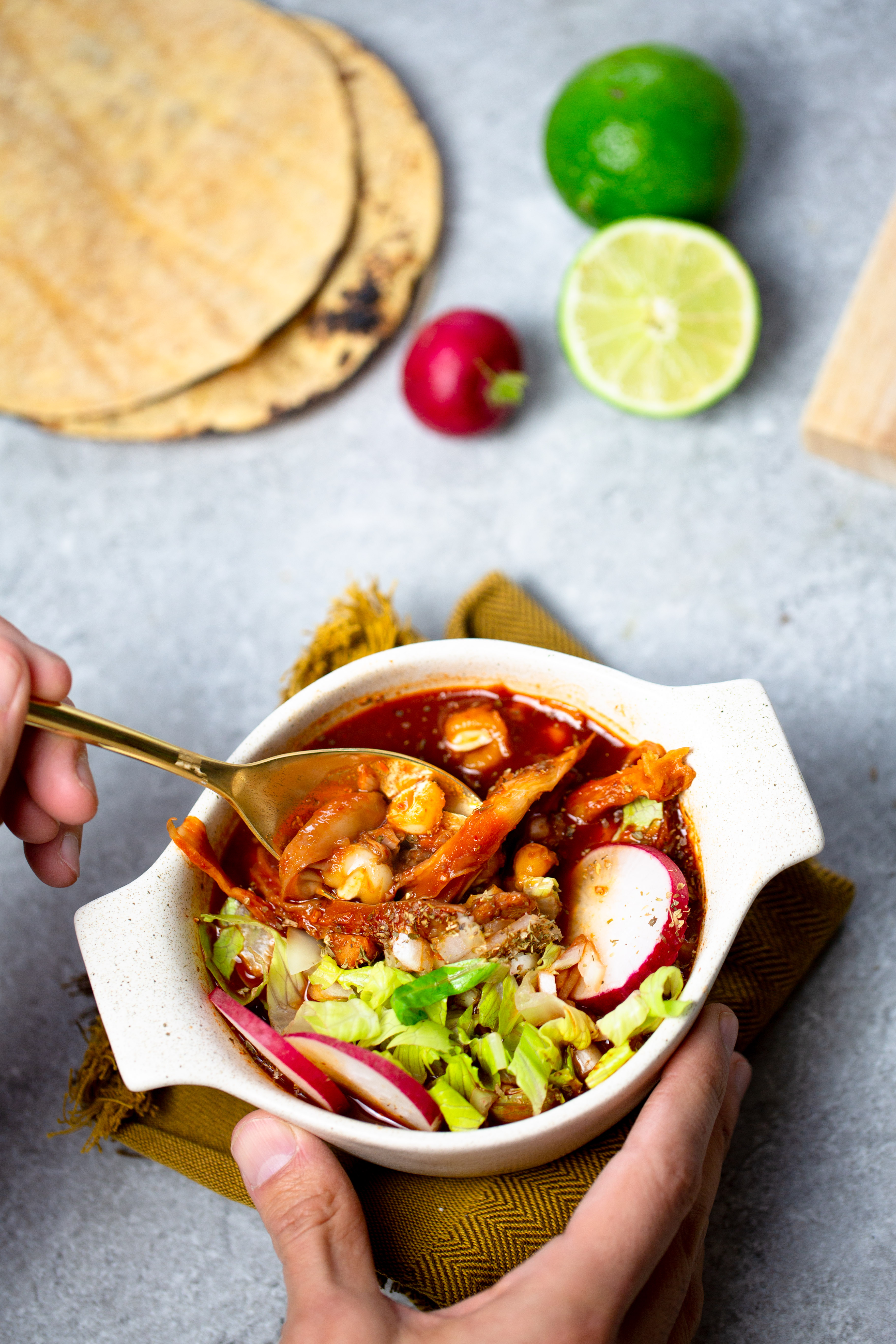
Pozole is one of Mexico’s most beloved dishes, often served at parties, weddings, and holidays like Christmas and Independence Day. There are three main styles: pozole blanco (white), pozole verde (green), and pozole rojo (red). This recipe is for pozole rojo, where dried chiles give the broth its deep red color and smoky flavor.
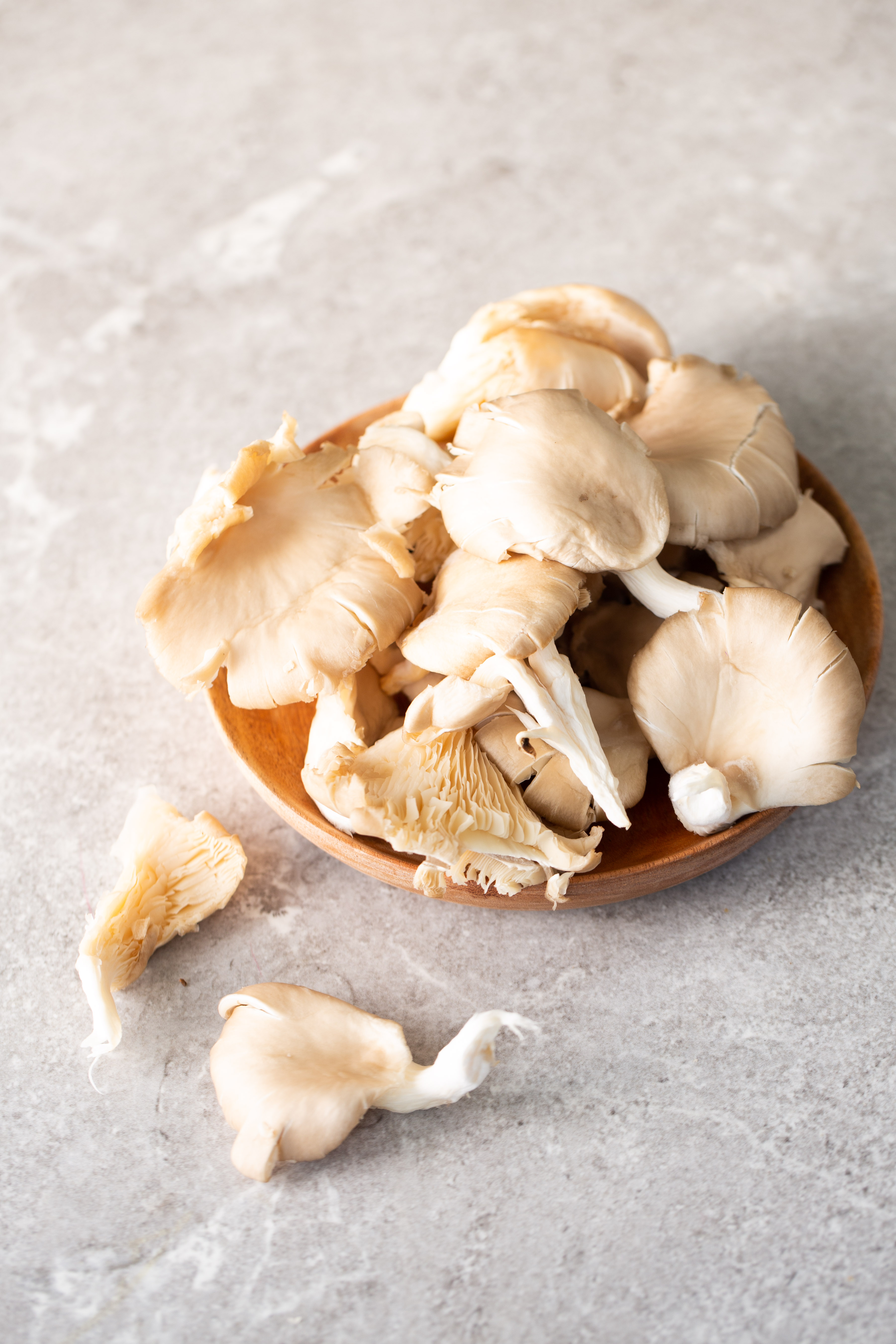
I use shredded oyster mushrooms here. Their texture is surprisingly similar to shredded meat, and they absorb all that chile broth beautifully. Shredded chicken, beef, or pork work great too if you prefer a traditional meat version. With canned hominy to keep things simple, this version comes together in less than an hour.
Here is how to pronounce pozole: poh-sOH-lay. Pozole is a traditional Mexican soup made with hominy and meat, typically pork or chicken. My version uses mushrooms for a lighter take that’s every bit as comforting as the original.
Why you will love this recipe
- Authentic flavor — all the depth of a traditional pozole rojo.
- Weeknight-friendly — using canned hominy saves hours.
- Flexible — use mushrooms, shredded chicken, beef, pork, jackfruit, or beans.
- Perfect for gatherings — pozole is meant to be shared at the table.
Ingredient notes
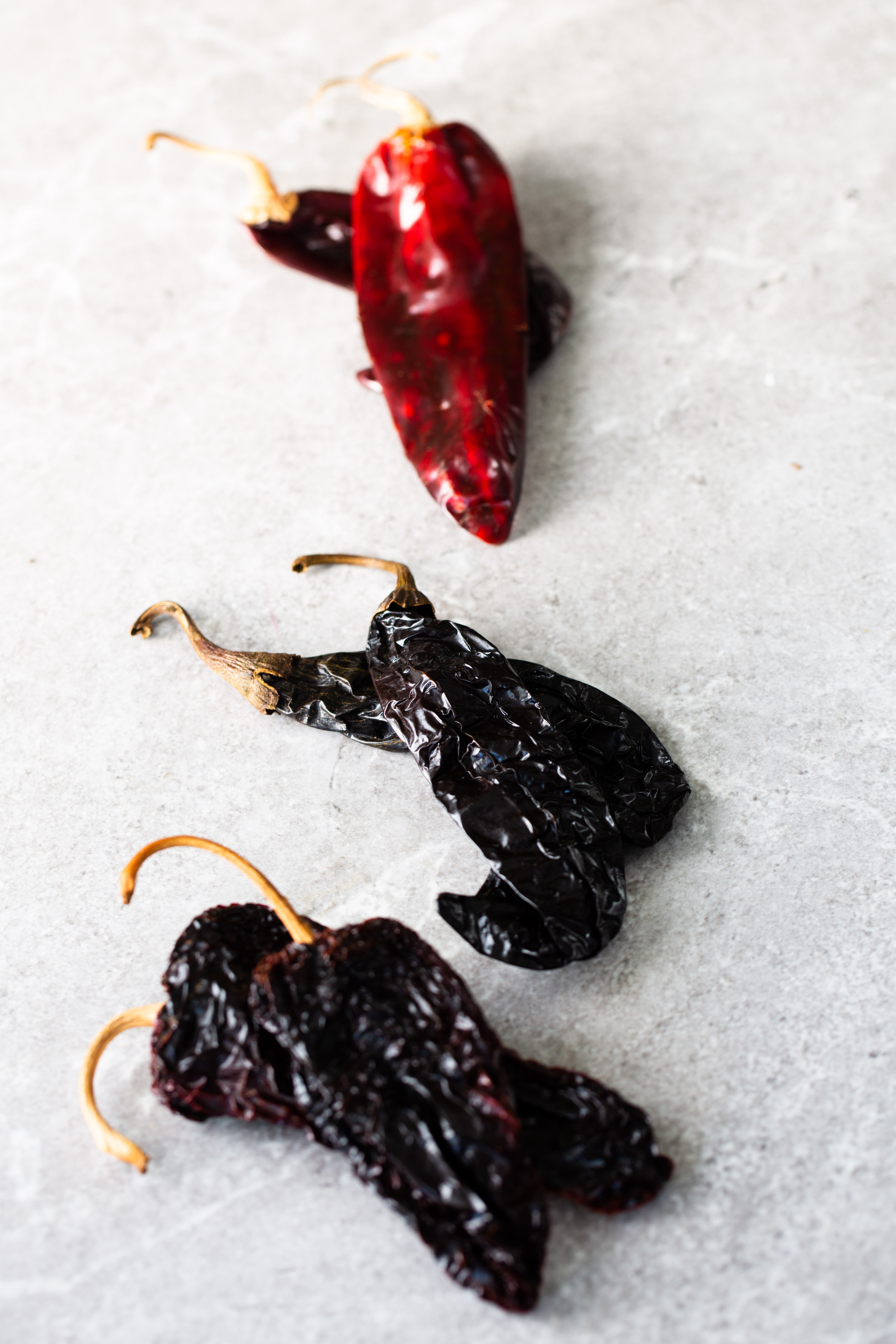
- Dried chiles: I use a blend of ancho, guajillo, and pasilla chiles.
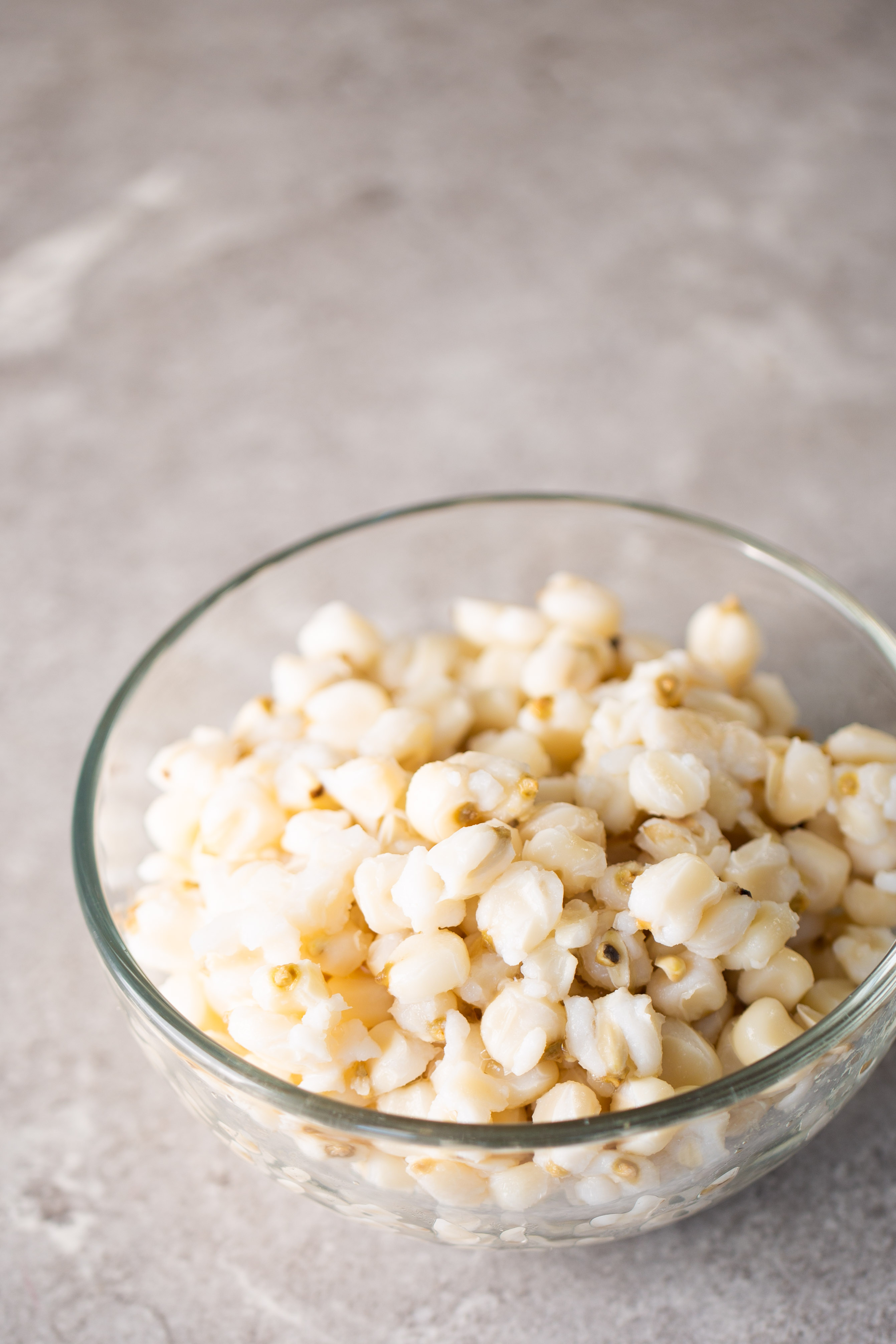
- Hominy (maíz pozolero): The heart of pozole. Canned hominy makes this easy and authentic.
- Mushrooms: Shredded oyster mushrooms give the texture of shredded pork. You can also use shredded chicken, beef, or pork for a traditional version. Jackfruit, chickpeas, or pinto beans work too.
- Broth: Vegetable broth, chicken broth, or water. Frying the chile puree before adding broth is what builds flavor.

The base for this pozole rojo broth is made with a three-chili puree that turns out so flavorful that it infuses the hominy and whatever protein you add—making each spoonful lightly spicy and heartwarming at the same time. Below is some information about different types of dried chiles:
- What is a chile ancho? It is a dried poblano pepper with a deep, rich flavor and a hint of fruitiness.
- What is a chile guajillo? It is a very mild chile that is not spicy but has a lot of flavor.
- What is a chile pasilla? It is a great ingredient for finishing soups or making sauces. These chiles have a mild spiciness, an earthy flavor, and a touch of sweetness.
How to make pozole rojo
- Soak the chiles. Remove stems and seeds, and soak in hot water until soft.
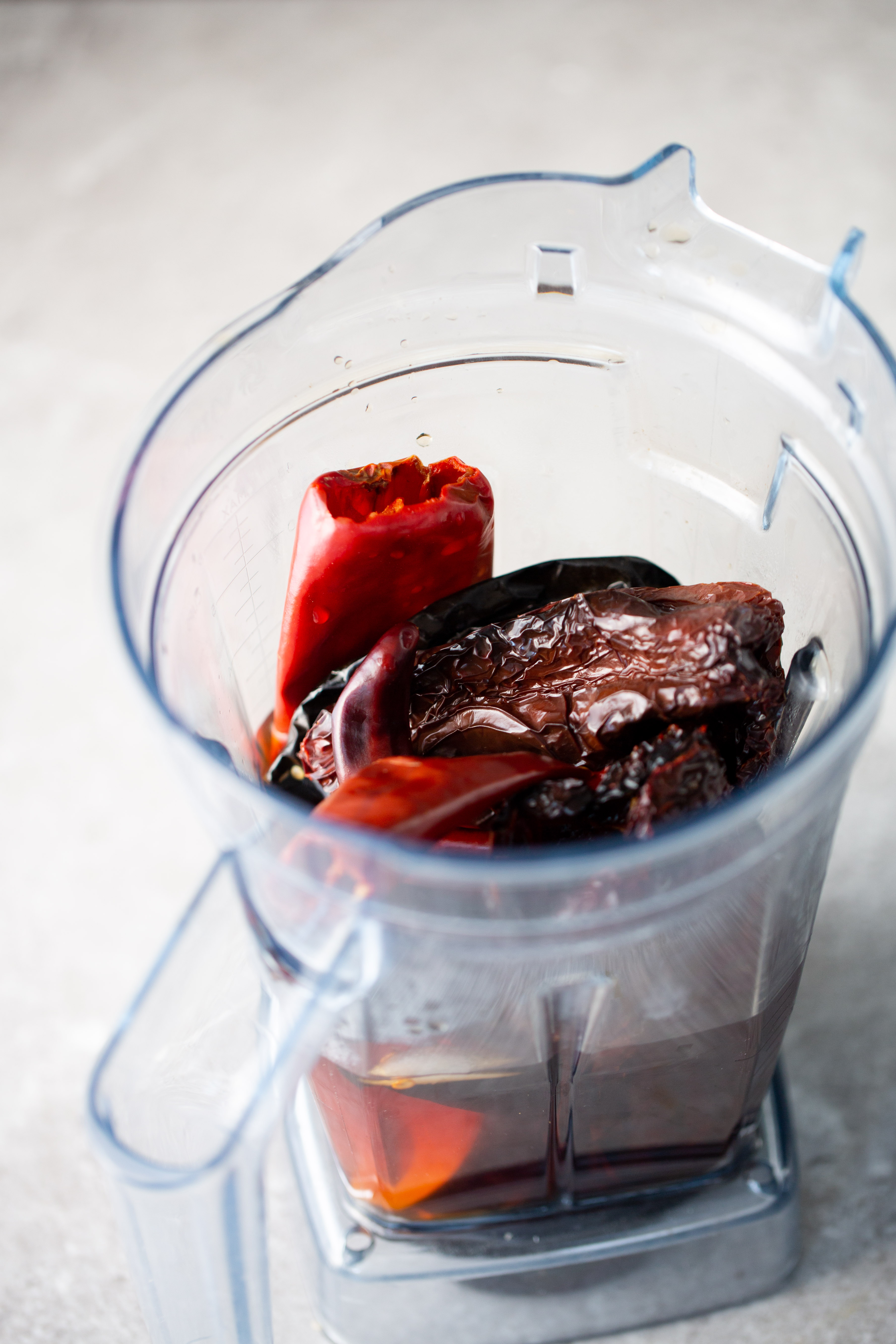
- Blend. Combine chiles with soaking liquid and onion. Blend until smooth.
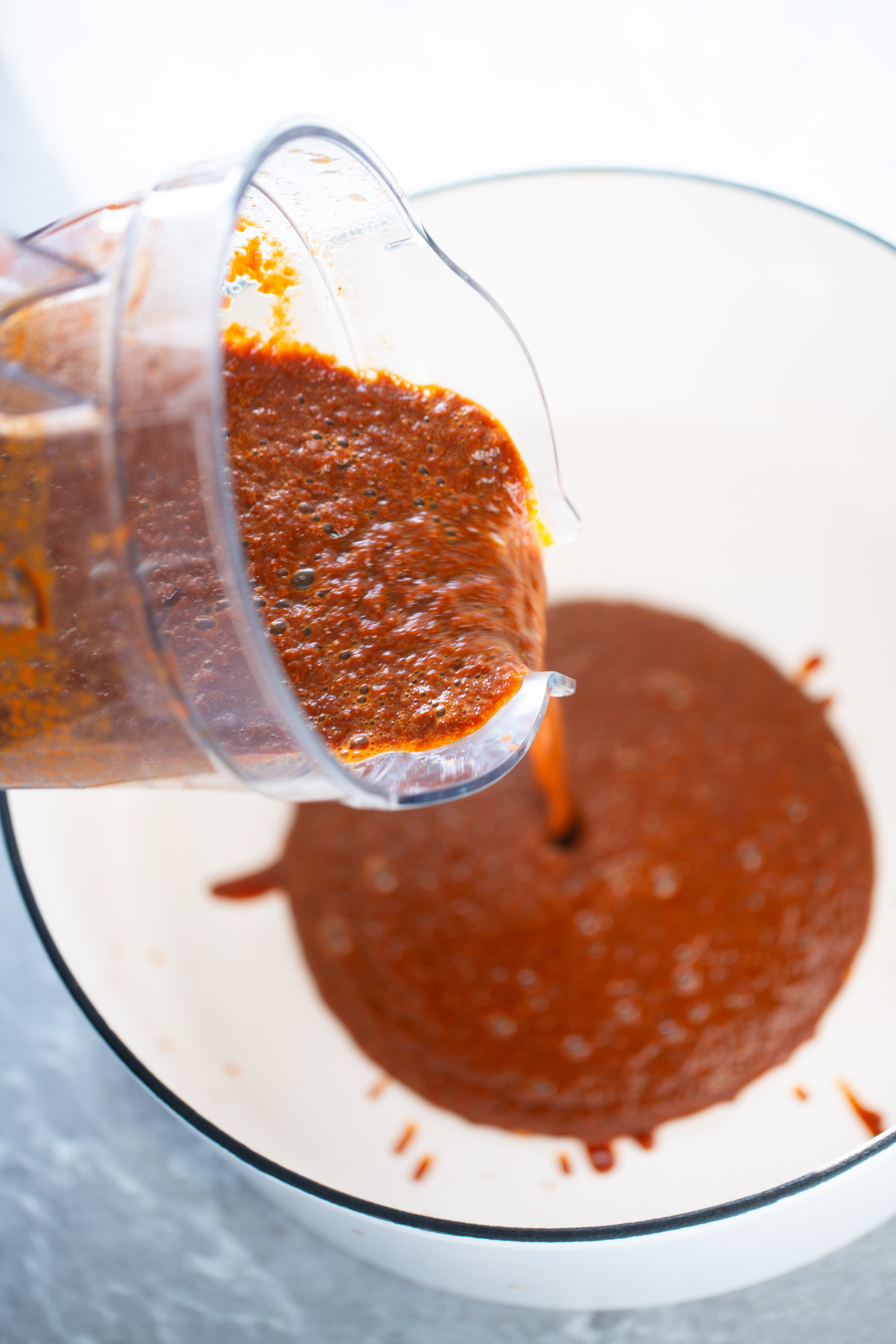
- Fry the chile puree. In a Dutch oven, heat oil and cook the chile sauce for 2–3 minutes to deepen flavor.
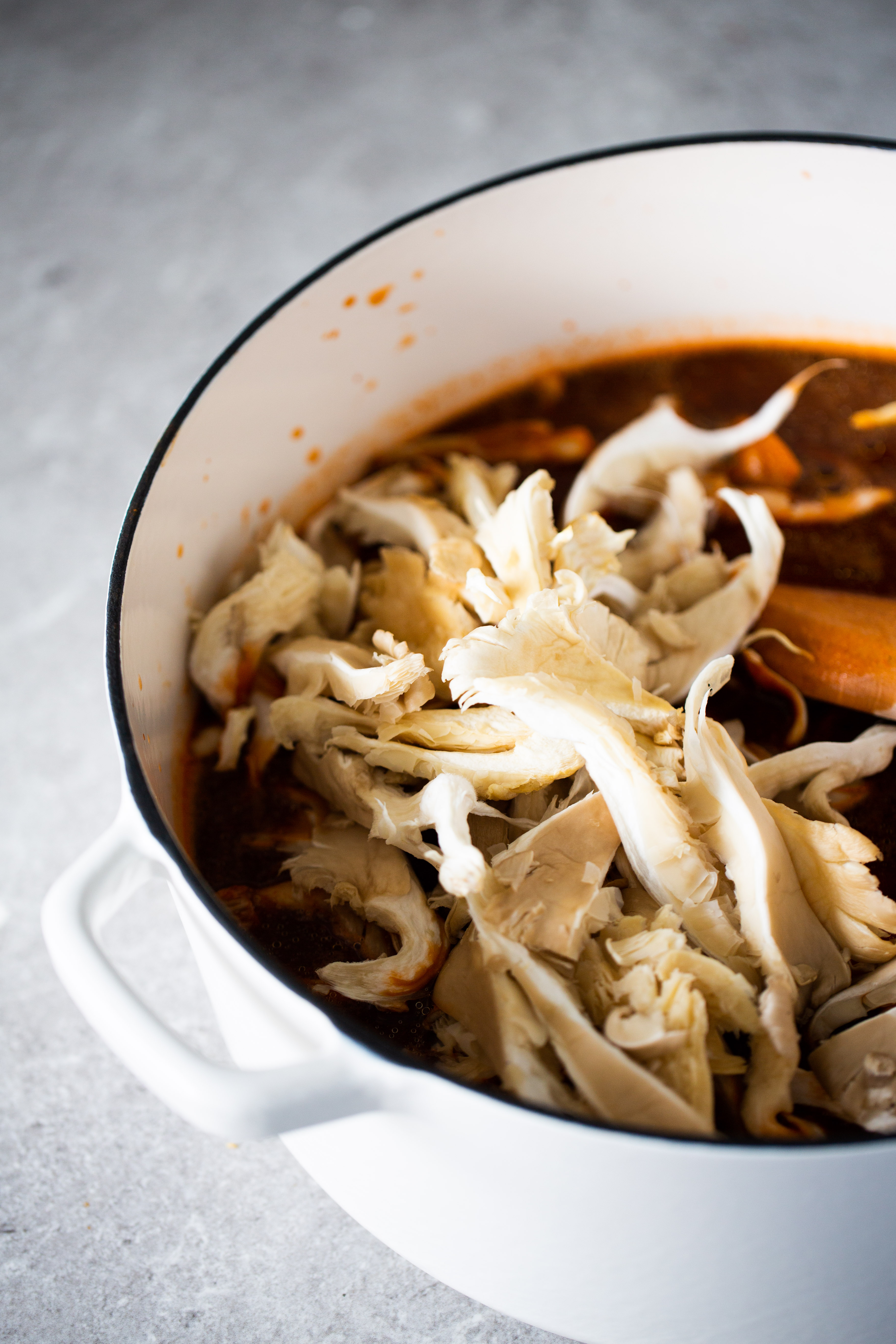
- Simmer. Add broth, canned hominy, and shredded mushrooms. Simmer 15–20 minutes.
- Taste. Adjust with salt, lime juice, and oregano.
How to serve
Let everyone build their own bowl—that’s part of the fun. Serve pozole in deep bowls with a tray of toppings:
- Shredded lettuce (romaine or iceberg) or green cabbage
- Thinly sliced radishes (yes, radishes are traditional!)
- Chopped white onion
- Mexican oregano
- Lime wedges
- Tostadas on the side
Variations
- With meat: Use shredded chicken, pork shoulder, or beef instead of mushrooms. Simmer the meat in the broth until tender before adding hominy.
- Pozole verde: Use tomatillos, jalapeños, and pumpkin seeds for a green broth.
- Pinto pozole: Add pinto beans for extra protein.
- Pozole blanco: Skip the chiles and make a simple white version topped with all the garnishes.
Home-cook to home-cook tips
- Canned hominy saves time. Look for it in the Latino aisle of most supermarkets.
- Strain your puree if you don’t have a high-speed blender. It makes the broth silky.
- Prep toppings ahead. Pozole is all about the garnishes—radishes, cabbage, onion, lime, and oregano.
- Make ahead. The chile sauce can be made 3 days ahead (or frozen for up to 3 months).
- Storage. Store broth separately from hominy and mushrooms to keep the texture perfect.
Frequently asked questions
Pozole Rojo with Mushrooms
Equipment
- Dutch oven or large soup pot
Ingredients
- 4 dried guajillo chiles stemmed and seeded
- 2 dried ancho chiles stemmed and seeded
- 1 dried pasilla chile stemmed and seeded
- 1 medium white onion roughly chopped (reserve ¼ cup finely chopped for garnish)
- 2 tablespoons neutral oil avocado, canola, or safflower
- 6 cups vegetable or chicken broth or 4 cups broth + 2 cups water
- 2 15-ounce cans white hominy, rinsed and drained
- 12 ounces oyster mushrooms shredded into strips (or 1 lb shredded chicken, beef, or pork)
- 2 teaspoons dried Mexican oregano
- 1 teaspoon salt adjust to taste
- Juice of 1 lime
Optional garnishes:
- Shredded cabbage or lettuce
- Thinly sliced radishes
- Chopped white onion
- Lime wedges
- Dried oregano Mexican is best
- Tostadas or totopos
Instructions
- Soak the chiles: Place guajillo, ancho, and pasilla chiles in a medium pot. Cover with hot water and let soak for 15–20 minutes, until softened.
- Blend the sauce: Transfer the softened chiles to a blender with 2 cups of the soaking liquid and the roughly chopped onion. Blend until very smooth. If needed, strain through a fine mesh sieve for a silky texture.
- Cook the chile puree: In a large Dutch oven, heat the oil over medium heat. Pour in the blended chile sauce and cook, stirring, for 2–3 minutes to deepen the flavor.
- Build the soup: Add the broth, hominy, shredded oyster mushrooms, oregano, and salt. Stir well, bring to a simmer, then cover and cook for 15–20 minutes. Stir occasionally.
- Finish: Taste and adjust seasoning with more salt if needed. Stir in lime juice before serving.
- Serve: Ladle pozole into bowls and let everyone top their soup with cabbage, radishes, onion, oregano, and lime. Serve with tostadas on the side.
Notes
- With meat: Swap the mushrooms for 1 lb shredded chicken, pork shoulder, or beef. Simmer the meat in broth until tender, shred, and return to the pot before adding hominy.
- Storage: Refrigerator 3–5 days in airtight containers. Freezer up to 4–6 months. Cool before freezing.
- Meal prep tip: Store broth and hominy separately to avoid mushy corn.
Nutrition
information
Nutritional information of this recipe is only an estimate, the accuracy for any recipe on this site is not guaranteed.

Hi, I’m Ale Graf!
I’m a Mexican home cook based in Texas and the voice behind AleCooks and Piloncillo & Vainilla.
I create easy, family-friendly recipes with Mexican roots and a plant-forward mindset—always flexible and made to bring people together. I’m also the co-author of Yo Cocino Latino and love helping home cooks feel more confident in the kitchen.
Come say hi on Instagram—I’d love to hear what you’re cooking.